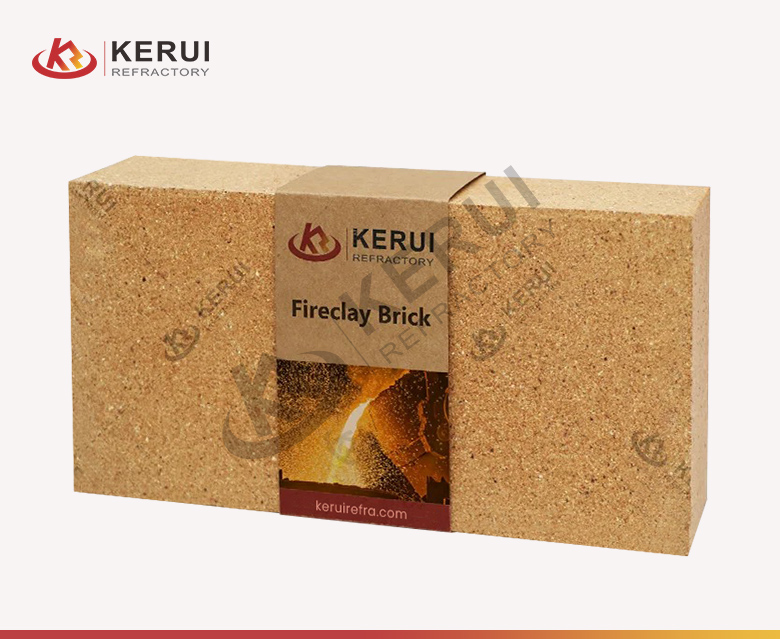
The Quick Answer: A fired brick is a standard building block made from natural clay that has been molded, dried, and permanently hardened by baking it in a high-temperature kiln (typically between 900°C and 1200°C).
From the towering arches of ancient Roman aqueducts to the enduring facades of modern residential homes, it is the foundational material that has built our civilizations. Yet, despite walking past them every day, many people do not truly understand what a fired brick is or how it achieves its incredible durability.
In this comprehensive guide, we will break down the true definition of a fired brick, explore its fascinating four-step manufacturing process, and clarify the crucial differences between standard fired bricks and specialized industrial fire bricks.
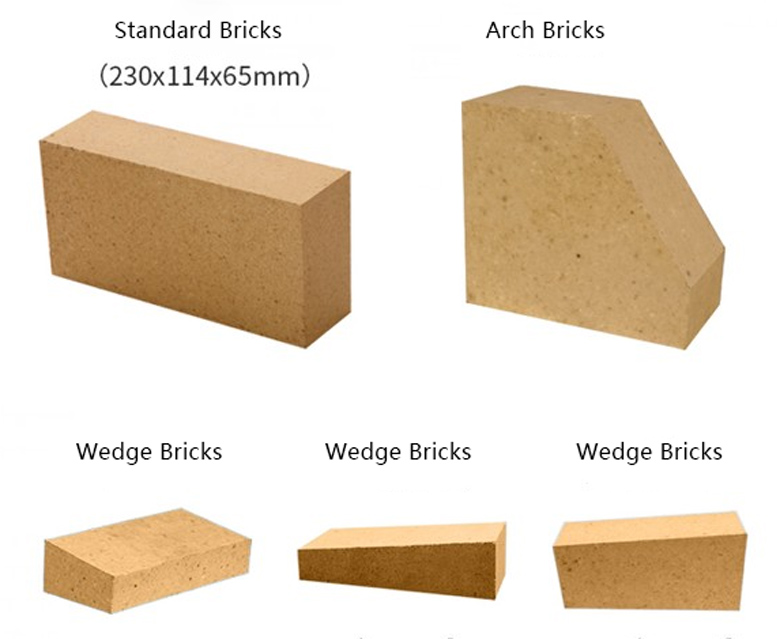
The Core Definition: What Exactly is a Fired Brick?
To understand what a fired brick is, you must look at its two fundamental elements: the raw material and the thermal transformation.
The Material Essence
At its core, a fired brick is simply earth. It is manufactured primarily from natural clay and shale. These abundant natural resources are rich in silica and alumina, which give the material its plasticity when wet and its immense structural strength when dried.
The Chemical Transformation (Vitrification)
What truly defines a fired brick is the “firing” process. If you take a block of raw, unfired clay and leave it in a rainstorm, it will eventually dissolve back into a puddle of mud.
However, when clay is exposed to extreme temperatures inside a kiln, a permanent chemical and physical change occurs known as vitrification. The silica and alumina particles partially melt and fuse together, transforming the soft clay into a dense, irreversible, artificial stone. Once a brick is fired, it can never turn back into mud, regardless of how much water it absorbs.
How Are Fired Bricks Made? (The 4-Step Kiln Process)
The journey from loose dirt to a load-bearing architectural block is a meticulously controlled industrial process. Here is how modern fired bricks are manufactured:
Step 1: Preparation and Crushing
The process begins at the quarry. Raw clay and shale are excavated, transported to the manufacturing plant, and fed into massive crushers. The material is ground into a fine powder to ensure consistency. Water is then added in a machine called a pug mill, kneading the clay mixture until it reaches the perfect, dough-like plasticity required for shaping.
Step 2: Molding and Shaping
The wet clay must now be formed into the iconic rectangular shape. There are two primary methods used today:
- Extrusion (Wire-Cut Bricks): The most common modern method. The clay is pushed through a die under high pressure, creating a continuous rectangular column. A wire cutter then slices the column into individual bricks, much like slicing a loaf of bread.
- Pressing (Soft Mud / Dry Press): The clay is pressed into individual steel or wooden molds under immense hydraulic pressure to form highly dense, precisely shaped bricks.
Expert Pro Tip: The Importance of Drying
You cannot put a wet clay brick directly into a hot kiln! If you do, the moisture trapped inside will instantly turn to steam, expanding violently and causing the brick to shatter. Before firing, bricks spend 24 to 48 hours in a highly controlled drying chamber to safely evaporate excess water.
Step 3: The Drying Phase
As mentioned above, removing the unbound moisture is critical. The “green” (unfired) bricks are stacked on kiln cars and passed through climate-controlled drying rooms, reducing their moisture content to virtually zero while preventing warping.
Step 4: Firing and Cooling
This is where the magic happens. The dried bricks enter a massive, continuously operating tunnel kiln. Over a period of 10 to 40 hours, they travel through various temperature zones:
- Pre-heating: Slowly raising the temperature to drive out remaining chemical water.
- Firing Zone: Peaking between 900°C and 1200°C (1650°F – 2200°F) to achieve complete vitrification. This is also where the iron oxide in the clay reacts to give the brick its classic red color.
- Cooling: The bricks must be cooled slowly and systematically before exiting the kiln to prevent thermal shock and cracking.
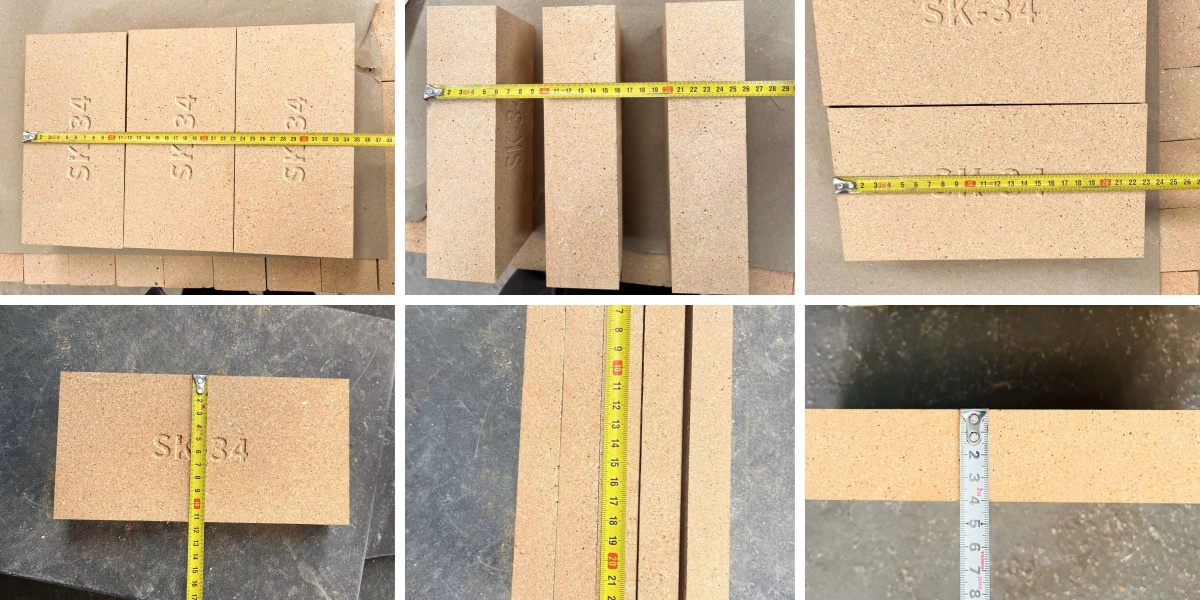
The Big Confusion: Fired Brick vs. Fire Brick vs. Mud Brick
In both the architectural and industrial sectors, terminology matters immensely. One of the most common—and potentially dangerous—mistakes is confusing a standard building brick with an industrial refractory brick. Let’s break down the definitive differences.
| Feature | Fired Brick (Standard) | Fire Brick (Refractory) | Mud Brick (Adobe) |
|---|---|---|---|
| Manufacturing | Kiln-baked at 900°C–1200°C | Kiln-baked at extreme heat (>1400°C) | Sun-dried naturally |
| Core Material | Common clay and shale | High-purity Alumina, Silica, Magnesia | Clay, sand, water, and straw |
| Max Operating Temp | Low (Not for direct fire contact) | Extreme (1500°C to 2000°C+) | Very Low |
| Primary Application | House walls, facades, paving | Industrial kilns, furnaces, pizza ovens | Traditional/historical eco-building |
| Water Resistance | High (Vitrified surface) | Varies (Engineered for heat, not water) | Poor (Dissolves in heavy rain) |
Key Properties and Advantages of Fired Bricks
Why has humanity relied on fired clay bricks since the days of ancient Mesopotamia? The vitrification process grants them several unmatched engineering properties that modern materials still struggle to replicate completely:
- Exceptional Compressive Strength: High-quality fired bricks can bear immense structural vertical loads. This makes them ideal for load-bearing walls in multi-story residential and commercial buildings without always requiring a steel framework.
- Weather and Moisture Resistance: The dense, fired surface naturally resists rain, snow, and wind erosion. Unlike wood, they do not rot, and unlike unprotected steel, they do not rust. Fired brick structures can easily stand for centuries.
- Thermal Mass (Energy Efficiency): Fired bricks possess phenomenal thermal mass. They absorb excess solar heat during the day and slowly release it at night. This naturally regulates indoor temperatures, keeping homes cooler in the summer and warmer in the winter, drastically reducing HVAC energy costs.
- Fire Resistance: Being inherently non-combustible (Class A1 fire rating), fired bricks do not catch fire, melt, or emit toxic fumes during a house fire, effectively preventing the spread of flames.
- Acoustic Insulation: The sheer density of a fired brick wall provides excellent soundproofing, blocking out street noise far better than standard timber-framed drywall assemblies.
Common Applications in Modern Construction
Despite the meteoric rise of concrete, steel, and glass, fired bricks remain a cornerstone of modern architecture for both structural and aesthetic reasons:
- Structural Load-Bearing Walls: Forming the rigid skeleton of residential homes, schools, and low-rise commercial structures.
- Brick Veneer (Aesthetics): Often used as a decorative, maintenance-free outer facade (skin) over a timber or cold-formed steel structural frame.
- Paving (Pavers): Specially densified fired bricks are heavily utilized for driveways, patios, and municipal walkways due to their extreme abrasion resistance and visual appeal.
Frequently Asked Questions (FAQ)
1. How long do fired bricks last?
When properly mortared and maintained, a high-quality fired brick structure can easily last for 100 to over 500 years. The overall longevity of a brick wall is usually heavily dependent on the quality of the mortar joints (which may need repointing every 50 years) rather than the bricks themselves.
2. Are fired bricks completely waterproof?
They are highly weather-resistant but not 100% waterproof. Fired bricks are naturally porous to a small degree and will absorb some surface moisture. However, this is actually a design feature: they are designed to “breathe,” allowing trapped moisture to evaporate safely out of the wall assembly rather than causing internal mold.
3. Can I use regular fired bricks inside a pizza oven, fire pit, or fireplace?
Absolutely not. This is the most common DIY mistake. Standard fired building bricks cannot handle direct, continuous thermal cycling. If exposed to the direct flames of a fire pit or wood stove, they will quickly crack, spall, or even shatter due to thermal shock. You must use Fire Bricks (Refractory Bricks) for the inner hot-face lining.
Conclusion
A fired brick is much more than a block of baked mud; it is a highly engineered piece of artificial stone that has quite literally built modern civilization. By understanding its rigorous kiln-firing process and distinct engineering advantages, you can appreciate why it remains one of the world’s premier building materials today.
Industrial Procurement Notice: Need High-Temp Materials?
If you are looking for materials to line a high-temperature kiln, heavy steel furnace, incinerator, or industrial boiler, standard fired building bricks will fail instantly. You require engineered Fire Bricks (Refractory Bricks).
Contact the expert engineering team at Kerui Refractory today to explore our premium refractory solutions tailored specifically for extreme heat, heavy load, and severe slag environments.
 Whatsapp
 WeChat