In high-temperature industrial manufacturing, the furnace is the heart of the production line. Whether operating a cement rotary kiln, a steel ladle, a glass melting tank, or a petrochemical reactor, the performance of your equipment dictates your overall profitability. At the core of furnace longevity and thermal efficiency is a single, critical decision: selecting the right refractory bricks.
Industrial furnaces operate under extreme conditions, where materials must withstand not only blistering temperatures but also chemical erosion, mechanical abuse, and rapid thermal cycling. Choosing an incorrect refractory lining can lead to premature structural failure, catastrophic production safety hazards, and catastrophic financial losses due to unplanned downtime. This ultimate engineer’s guide breaks down the foundational science, critical evaluation factors, and industry best practices for selecting the optimal refractory bricks for your industrial furnace.
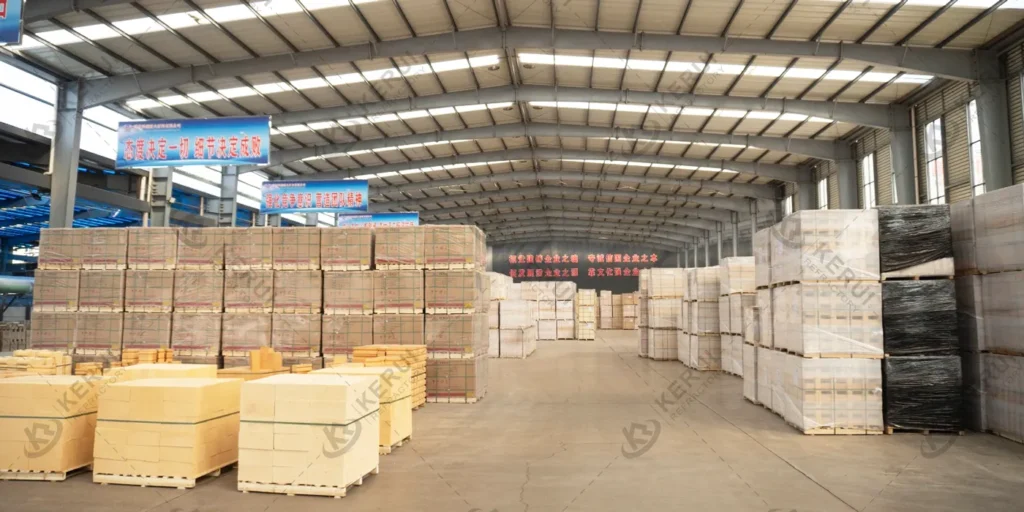
What Are Refractory Bricks?
By definition, refractory bricks (also known as firebricks) are specialized block-shaped ceramic materials engineered to maintain their structural integrity, mechanical strength, and chemical stability at extreme temperatures—typically ranging from 1,000°C to well over 2,000°C.
Key Characteristics to Consider
- Extreme Heat Resistance (Refractoriness): The ability to withstand high temperatures without melting, softening, or deforming under structural load.
- Chemical Inertness: Resistance to corrosion from acidic or basic molten slag, volatile gases, metals, and aggressive furnace atmospheres.
- Thermal Stress Tolerance: The capacity to endure rapid heating and cooling cycles (thermal shock) without cracking, spalling, or peeling.
- Tailored Thermal Conductivity: Depending on the application, a brick must either conduct heat efficiently (for process zones) or provide superior thermal insulation to conserve energy and protect the furnace shell.
Foundational Material Classes
Refractory bricks are categorized based on their chemical composition and raw materials. The five foundational types widely used in heavy industry include:
| Brick Type | Primary Composition | Max Service Temp | Core Advantage |
|---|---|---|---|
| Fire Clay Bricks | Al2O3 (30-45%), SiO2 | 1300°C – 1400°C | Cost-effective, versatile, good thermal shock resistance. |
| High Alumina Bricks | Al2O3 (48% – 85%+) | 1400°C – 1650°C | High mechanical strength, excellent refractoriness under load. |
| Silica Bricks | SiO2 (>93%) | 1600°C – 1700°C | Outstanding acid slag resistance, high load capacity at peak temps. |
| Magnesia Bricks | MgO (>85% – 98%) | 1700°C – 2000°C | Ultimate basic slag resistance, supreme high-temperature melting point. |
| Insulating Fire Bricks (IFB) | Porous Al-Si Silicates | 1100°C – 1500°C | Ultra-low thermal conductivity, minimizes fuel and heat loss. |
Why Choosing the Right Refractory Brick Matters
In B2B industrial manufacturing, refractory selection is directly linked to operational KPIs. Here is the operational impact of your refractory choices:
- Optimizing Furnace Thermal Efficiency: High-performance refractories ensure tight seals and optimal heat retention within the target zone, speeding up metallurgical or calcination reactions.
- Reducing Industrial Energy Consumption: Utilizing properly selected insulation linings or dense refractories with low heat capacity dramatically lowers fuel consumption (natural gas, coal, or electricity), saving millions in annual utility expenses.
- Minimizing Costly Maintenance Downtime: Unplanned shutdowns due to premature lining wear or spalling halt production entirely. A durable lining maximizes furnace availability and coordinates seamlessly with scheduled maintenance campaigns.
- Ensuring Production Safety: Sudden refractory burn-through can expose the external steel kiln shell to molten metal or clinker, leading to catastrophic equipment failure, factory fires, and personnel injury risks.
3 Critical Factors in Refractory Selection
To move beyond basic procurement and engineer a truly resilient furnace lining, operators must understand the exact mechanisms of refractory failure. Here is a deep dive into the three most destructive forces in industrial furnaces and how to select materials to combat them.
1. Thermal Shock Resistance (TSR)
Why Thermal Shock Causes Failure:
Refractory ceramics are inherently brittle. When a furnace experiences a sudden temperature drop or spike, the hot face of the brick expands or contracts much faster than the cooler core. This creates a massive thermal gradient and immense internal tensile stress. Because ceramic materials have low tensile strength, this stress causes micro-cracks to form. Over repeated thermal cycles, these cracks propagate, intersect, and eventually cause thick layers of the brick’s hot face to peel off and fall into the furnace—a catastrophic failure known as thermal spalling.
Industries Most Affected:
- Steel Ladles: A ladle cycles constantly between receiving 1600°C molten steel and sitting empty (rapidly cooling) while waiting for the next heat.
- Batch Furnaces & Forging Ovens: Operations that shut down daily or weekly experience severe thermal fatigue.
- Cement Kilns: Unstable raw meal feeding can cause sudden temperature fluctuations in the burning and transition zones.
Selection Strategy & Recommended Bricks:
To combat thermal shock, you need bricks with high thermal conductivity (to distribute heat quickly) or high structural flexibility (to absorb stress).
2. Slag Penetration and Chemical Corrosion
Why Chemical Attack Causes Failure:
Furnace slag does not merely sit on the surface of the brick; it destroys it from the inside out. At high temperatures, liquid slag possesses low viscosity and penetrates deep into the brick through its open pores via capillary action. Once inside, two things happen:
First, fluxing occurs, where the slag chemically dissolves the brick’s binding matrix. Second, structural spalling occurs. When the furnace cools, the penetrated slag solidifies, creating a densified layer. Because this slag-soaked layer now has a completely different thermal expansion coefficient than the virgin brick behind it, the entire densified face shears off during the next heat-up cycle.
Industries Most Affected:
- Basic Oxygen Furnaces (BOF) & EAFs: Deal with highly aggressive basic slag (high CaO/SiO2 ratio).
- Glass Melting Tanks: Suffer from highly acidic glass melt and corrosive alkali vapor carryover.
- Waste Incinerators: Face unpredictable, highly corrosive chemical ash.
Selection Strategy & Recommended Bricks:
The golden rule of refractory engineering is: Match basicity. Never put an acidic brick in a basic slag environment, or it will dissolve like sugar in hot water. Additionally, reduce the brick’s apparent porosity to block capillary action.
3. Thermo-Mechanical Stress & Refractoriness Under Load (RUL)
Why Thermo-Mechanical Stress Causes Failure:
A brick might have a theoretical melting point of 2000°C, but it can fail structurally at 1500°C. This is because, at extreme temperatures, the secondary impurity phases (the glass phases) within the brick begin to soften and turn into a viscous liquid. If the brick is supporting a heavy physical load (like the weight of a massive furnace roof or a heavy scrap metal charge), it will slowly compress, deform, and eventually collapse—a phenomenon known as high-temperature creep. Furthermore, falling abrasive materials can physically scour and erode the softened hot face.
Industries Most Affected:
- Glass Furnace Crowns: The massive, heavy roofs of melting tanks must span wide areas without sagging while enduring 1600°C.
- Rotary Kilns: The bricks must endure the continuous, grinding abrasion of thousands of tons of sliding cement clinker or limestone.
- Blast Furnace Hearths: Must bear the immense hydrostatic pressure of liquid iron.
Selection Strategy & Recommended Bricks:
Operators must evaluate the Refractoriness Under Load (RUL) parameter on the Technical Data Sheet (TDS), not just the basic melting point. High raw material purity is critical, as impurities lower the RUL.
Types of Refractory Bricks and Their Applications
While we outlined the foundational classes earlier, understanding exactly where each type is deployed on the factory floor is essential for accurate procurement.
1.Fire Clay Bricks
Features: Containing 30% to 45% alumina, these are the workhorses of the refractory world. They are highly cost-effective, offer good thermal shock resistance, and perform reliably in neutral to slightly acidic environments.
Applications: Widely used in the lower-temperature zones of blast furnaces, hot blast stoves, waste incinerators, and general-purpose backing linings.

2.High Alumina Bricks
Features: With an alumina content ranging from 48% to over 85%, these bricks offer significantly higher refractoriness and mechanical strength than fire clay. They resist both acidic and basic slags effectively.
Applications: Essential for the transition zones and cooling zones of cement rotary kilns, electric arc furnace (EAF) roofs, and steel ladle safety linings.
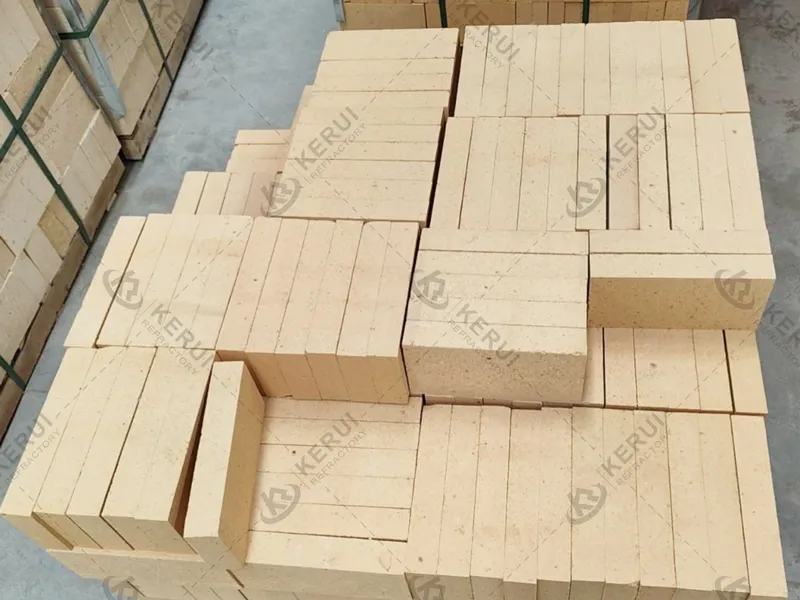
3.Silica Bricks
Features: Composed of over 93% silicon dioxide, silica bricks are highly acidic. Their defining characteristic is an exceptional refractoriness under load—meaning they will not deform even when heated close to their absolute melting point.
Applications: The undisputed standard for the crowns (roofs) of glass melting furnaces and the structural walls of metallurgical coke ovens.
4.Magnesia Bricks
Features: Extremely basic bricks with over 85% MgO. They boast one of the highest melting points available and exhibit phenomenal resistance to aggressive basic slags.
Applications: Critical for the permanent linings of basic oxygen furnaces (BOF), glass furnace regenerator checkers, and non-ferrous smelting converters.
5.Magnesia Carbon Bricks
Features: A revolutionary composite combining high-purity magnesia and flake graphite. They provide the ultimate combination of basic slag repulsion (thanks to the non-wetting carbon) and severe thermal shock resistance.
Applications: The primary working lining for the harshest steelmaking environments, including EAF slag lines, steel ladles, and BOF trunnion areas.
6.Insulating Fire Bricks (IFB)
Features: Highly porous and exceptionally lightweight, these bricks sacrifice mechanical strength for supreme thermal insulation. They trap heat inside the furnace, preventing it from escaping through the steel shell.
Applications: Used universally as backing (safety) linings behind dense working refractories in almost all industrial furnaces to maximize energy efficiency.
Refractory Brick Selection by Industry
In heavy industry, applying the same brick to the entire furnace is a guaranteed recipe for premature failure. A professional refractory lining is always “zoned”—matching specific brick properties to the unique wear mechanisms of each furnace area.
1. The Steel Industry (BOF, EAF, and Ladles)
Steelmaking involves extreme temperatures, violent mechanical scouring from molten metal, and highly corrosive basic slag.
- Basic Oxygen Furnace (BOF) / Converter: The trunnion area and slag line suffer from severe erosion. High-purity Magnesia Carbon Bricks (15-20% Carbon) are the absolute standard here, providing unmatched slag repulsion and thermal shock resistance.
- Electric Arc Furnace (EAF): The hot spots face intense arc radiation. We recommend premium Magnesia Carbon Bricks for the sidewalls, while the furnace roof (crown) typically utilizes High Alumina Bricks or specialized precast delta blocks.
- Steel Ladle & RH Degasser: The slag line requires MgO-C bricks, while the metal zone and bottom can utilize lower-carbon MgO-C or high-strength Alumina-Spinel Bricks to prevent carbon pickup in clean steel production.
2. The Cement Industry (Rotary Kilns)
Cement kilns operate continuously for months, meaning the refractory must endure constant mechanical rotation (ovality stress) and chemical attack from alkaline clinker.
- Burning Zone: Temperatures peak at 1450°C. The goal is to form a stable clinker coating. Replace toxic chrome bricks with eco-friendly Magnesia Iron Spinel Bricks, which offer superior coating adherence and thermal flexibility.
- Upper & Lower Transition Zones: Here, the clinker coating is unstable, leading to severe thermal shock. Magnesia Alumina Spinel Bricks or high-grade Silica Mullite Bricks are required to resist spalling.
- Preheater & Cooler: Temperatures are lower, but abrasion is high. Use Alkali-resistant Fire Clay Bricks and Silicon Carbide (SiC) Castables.
3. The Glass Industry (Melting Tanks)
Glass melting is a highly acidic process. The primary threat is alkali vapor carryover and glass melt penetration.
- Melting Tank Crown (Roof): Premium Silica Bricks are undisputed here. They maintain phenomenal structural strength close to their melting point and resist acidic vapors perfectly.
- Regenerator Checkers: The checkers endure fluctuating temperatures and intense alkali condensation. High-Purity Magnesia Bricks (95-98% MgO) are essential to prevent sulfate attack and clogging.
At-A-Glance: The Furnace Zone Selection Matrix
| Industry | Specific Furnace Area | Primary Wear Mechanism | Recommended Brick Type |
|---|---|---|---|
| Steel | Ladle Slag Line | Basic Slag Corrosion, Thermal Shock | Magnesia Carbon Brick (MgO-C) |
| Cement | Rotary Kiln Burning Zone | High Temp, Clinker Abrasion | Magnesia Iron Spinel Brick |
| Glass | Melting Tank Crown | Acidic Vapors, High Load at Peak Temp | Silica Brick |
| Petrochem | Gasifier Lining | Reducing Atmosphere (CO, H2) | High-Purity Corundum Brick |
How to Select Refractory Bricks in 4 Practical Steps
For kiln managers and procurement engineers, navigating technical data sheets (TDS) can be overwhelming. To streamline your decision-making process and ensure you don’t overlook critical parameters, follow this 4-step engineering evaluation framework before issuing a purchase order.
Step 1: Audit the Operating Temperature and Atmosphere
Never rely solely on the furnace’s “average” operating temperature. You must identify the extremes.
- Determine the Peak Temperature: What is the absolute highest temperature the hot face will reach during an upset condition? The brick’s refractoriness must exceed this peak, not just the continuous operating temperature.
- Identify the Atmosphere: Is your furnace environment oxidizing (excess oxygen, like a cement kiln) or reducing (rich in CO or H2, like a gasifier)? If you place a carbon-bonded brick in a highly oxidizing atmosphere without proper antioxidants, the carbon matrix will burn out completely in a matter of days.
Step 2: Analyze the Slag Chemistry (The Basicity Rule)
The golden rule of refractory engineering is simple: Like goes with like. You must analyze the chemical composition of the slag, ash, or volatile gases your furnace produces.
- Calculate the CaO/SiO2 Ratio: If your slag is highly basic (rich in calcium or magnesium oxides), you must select basic refractories (e.g., Magnesia, Magnesia Carbon, Spinel).
- Acidic Environments: If the process produces acidic slag or vapors (rich in silica, common in glassmaking), you must specify acidic bricks (e.g., Silica, Fire Clay) or neutral bricks (e.g., High Alumina). Mixing acidic bricks with basic slag will result in rapid chemical dissolution.
Step 3: Evaluate Thermo-Mechanical Stresses
A brick might survive the heat and the chemistry, but fail due to physical forces. Map out the mechanical abuse the lining will endure:
- Thermal Shock: If your process involves rapid heating and cooling cycles (e.g., steel ladles, batch forging ovens), prioritize bricks engineered for high Thermal Shock Resistance (TSR), such as Magnesia Carbon or Spinel bricks with micro-cracking structures.
- Load and Abrasion: If the bricks are supporting a heavy roof crown or enduring the continuous sliding of abrasive clinker, check the Technical Data Sheet (TDS) for high Refractoriness Under Load (RUL) and high Cold Crushing Strength (CCS).
Step 4: Calculate Total Cost of Ownership (TCO), Not Just Unit Price
This is the most common pitfall in refractory procurement. A cheap brick is often the most expensive choice when you factor in operational reality.
- Do not evaluate bids based solely on the price per ton. Calculate the Cost Per Heat or Cost Per Month of Operation.
- Factor in the cost of unscheduled downtime. If a premium High Alumina brick costs 20% more but extends your kiln’s operational campaign by three months, the Return on Investment (ROI) from uninterrupted production will eclipse the initial material savings. Partner with suppliers who guarantee dimensional accuracy and high raw material purity.
Common Mistakes When Choosing Refractory Bricks
Avoid these costly engineering and procurement traps:
- Choosing Solely Based on Price: Cheaper bricks often have higher porosity and lower raw material purity. Saving 10% on procurement can cost you millions in unplanned downtime when the furnace burns through three months early. Focus on the Total Cost of Ownership (TCO).
- Ignoring Furnace Atmosphere: Placing carbon-bonded bricks in a highly oxidizing atmosphere (like a cement kiln) will cause the carbon to burn out immediately, leading to catastrophic structural collapse.
- Overlooking Thermal Shock Requirements: Batch furnaces that undergo daily heating and cooling require high thermal shock resistance. Using rigid, dense bricks without structural flexibility will result in severe spalling.
- Using One Brick Type for All Furnace Zones: Every zone in a furnace experiences different wear mechanisms. A proper lining is a “zoned” lining—using high-performance bricks only where needed (hot spots) and cost-effective bricks in low-wear areas.
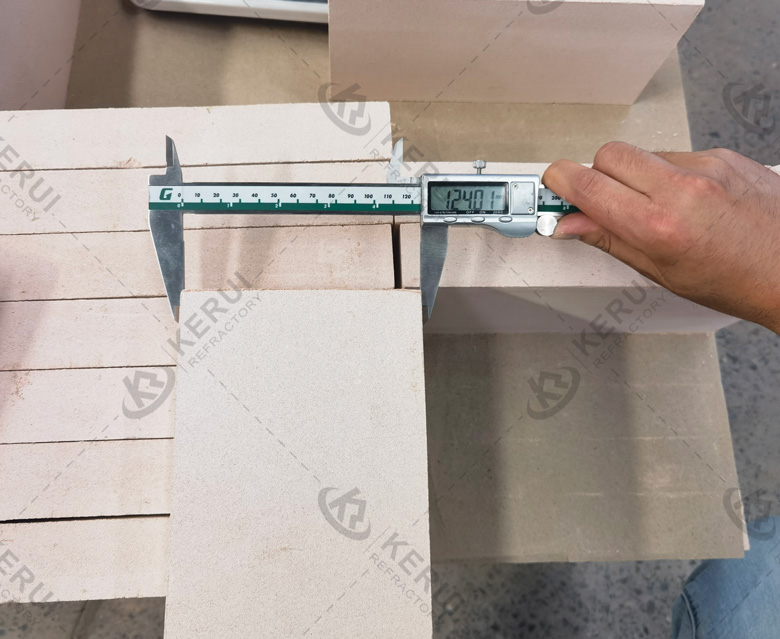
- Failing to Evaluate Supplier Quality: Not all manufacturers are equal. Inconsistent brick dimensions will lead to wide masonry joints—the primary entry point for corrosive molten slag.
How to Evaluate a Refractory Brick Supplier
Your refractory supplier should be a strategic engineering partner, not just a commodity vendor. When evaluating a partner, insist on the following:
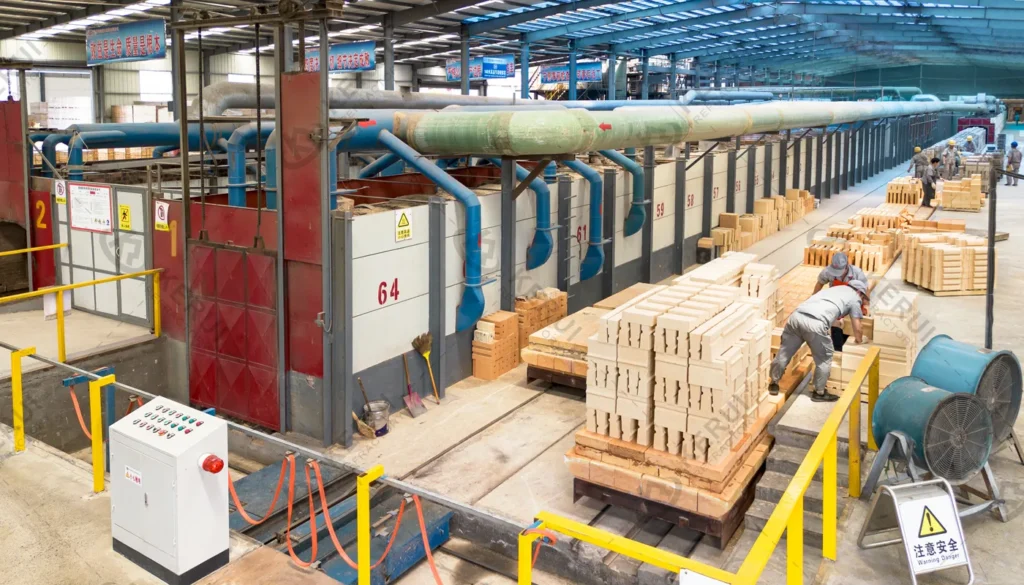
- Manufacturing Capability: Do they utilize high-tonnage friction presses and automated high-temperature tunnel kilns to ensure consistent brick density and dimensional accuracy?
- Stringent Quality Control: Ask for specific Technical Data Sheets (TDS) and verify if they conduct pre-shipment inspections for porosity, Cold Crushing Strength (CCS), and chemical purity.
- Technical Support: A world-class supplier provides more than pallets of bricks. They should offer customized heat-up curves, masonry design drawings, and on-site installation guidance.
- Customization Capabilities: Can they manufacture complex, special-shaped bricks designed specifically for your furnace’s unique geometry?
- Industry Experience & Logistics: Look for suppliers with a proven track record in global shipping. Refractories are heavy and prone to moisture damage; premium export packaging (moisture-proof wrapping and reinforced pallets) is non-negotiable.
Kerui Field Experience: Solving Premature Wear in a 5,000 T/D Cement Kiln
To understand the difference between theoretical selection and field engineering, consider a recent project Kerui Refractory managed for a large cement plant in Southeast Asia.
The Problem: The client’s 5,000 T/D rotary kiln was experiencing catastrophic refractory failure in the burning zone. They were using standard direct-bonded magnesia-chrome bricks. Due to frequent unstable raw meal feeding, the kiln suffered severe thermal shocks, causing the clinker coating to peel off repeatedly. Without the protective coating, the bricks spalled, reducing the lining lifespan to a dismal 6 months.
The Kerui Diagnosis & Solution: Our engineers conducted a site audit and identified that the mechanical ovality of the aging kiln shell, combined with thermal shock, was crushing the rigid chrome bricks. We recommended a complete upgrade to Kerui Magnesia Iron Spinel Bricks.
- Why it worked: The iron oxide in our spinel bricks reacts dynamically with the cement clinker, rapidly forming a highly stable, self-healing clinker coating. Furthermore, the micro-cracking structure of the spinel matrix absorbed the mechanical stress of the kiln shell.
The Result: The new lining stabilized immediately. The plant extended its uninterrupted operational campaign from 6 months to 14.5 months, saving over $350,000 in replacement materials and lost production time. This proves that choosing the right brick is not an expense; it is an investment in kiln availability.
Frequently Asked Questions (FAQ)
1. What temperature can refractory bricks withstand?
Depending on the material, they can withstand between 1,200°C and 2,200°C. Standard fire clay bricks max out around 1,400°C, while premium high-purity magnesia or zirconia bricks can comfortably handle operating temperatures exceeding 2,000°C.
2. How long do refractory bricks last?
Lifespans vary drastically by application. In a continuous cement rotary kiln, a quality lining should last 10 to 14 months. In the extreme conditions of a steel ladle slag line, a magnesia carbon lining may only last 60 to 120 heats (days or weeks) before requiring replacement.
3. Are refractory bricks and fire bricks the same thing?
Yes, the terms are often used interchangeably. However, in industrial engineering, “fire brick” usually refers to lower-temperature, alumina-silicate bricks (fire clay), while “refractory brick” is the umbrella term that encompasses highly specialized, extreme-temperature materials like magnesia, silica, and spinel bricks.
4. Which refractory brick is best for cement kilns?
For the burning zone, eco-free Magnesia Iron Spinel or Magnesia Alumina Spinel bricks are the global standard. For the transition zones, high-alumina bricks (anti-stripping grade) or silica mullite bricks are recommended.
5. How do I know when to replace my refractory lining?
Do not wait for a complete burn-through. Linings should be replaced during scheduled maintenance when infrared thermography reveals dangerous hot spots on the external steel furnace shell, or when the remaining brick thickness falls below the safety threshold established by your engineers (often around 30-40% of original thickness).
6. Can I use basic refractories in an acidic furnace?
Absolutely not. Basic refractories (like magnesia) will react violently with acidic slags (high in silica) at high temperatures, causing rapid chemical dissolution and fluxing. Always match the brick’s chemical nature to your slag.
7. Why do refractory bricks crack during heat-up?
This is known as thermal spalling. It occurs when a furnace is heated up too quickly, causing trapped moisture to turn into steam and expand rapidly, or causing extreme thermal gradients within the brick. Following a strict, scientifically calculated heat-up curve is mandatory for new linings.
8. Does Kerui Refractory provide customized brick shapes?
Yes. While standard straight and arch bricks are readily available, Kerui specializes in manufacturing custom precast shapes, burner blocks, and complex anchor-supported bricks tailored to your specific furnace blueprints.
Conclusion
Furnace profitability hinges on reliable operation, and reliable operation demands the correct refractory lining. Choosing refractory bricks is a complex engineering decision that requires matching precise material properties—such as refractoriness, chemical inertness, and thermal shock resistance—to the specific aggressive wear mechanisms of your industrial process.
Don’t leave your furnace performance to chance or rely on outdated lining configurations. Partner with experts who understand the exact metallurgical and thermal demands of your industry.
Ready to optimize your furnace lining, reduce energy costs, and minimize downtime?
Contact the engineering team at Kerui Refractory today. We offer custom lining designs, detailed technical consultations, and premium global refractory solutions tailored to your exact specifications.
 Whatsapp
 WeChat