When searching for “fire brick material,” many people are looking for simple clay bricks for a backyard pizza oven. However, in heavy industry, selecting the right kiln lining is a million-dollar engineering decision. In metallurgical, cement, and glass manufacturing, we refer to these specialized materials as refractory bricks.
Rather than providing a generic list of materials, this advanced guide focuses on the Zoned Lining Strategy. Because no single material can survive the diverse wear mechanisms inside an industrial furnace, we will break down exactly how to choose the best fire brick material for specific kiln zones, supported by engineering data and failure analysis.
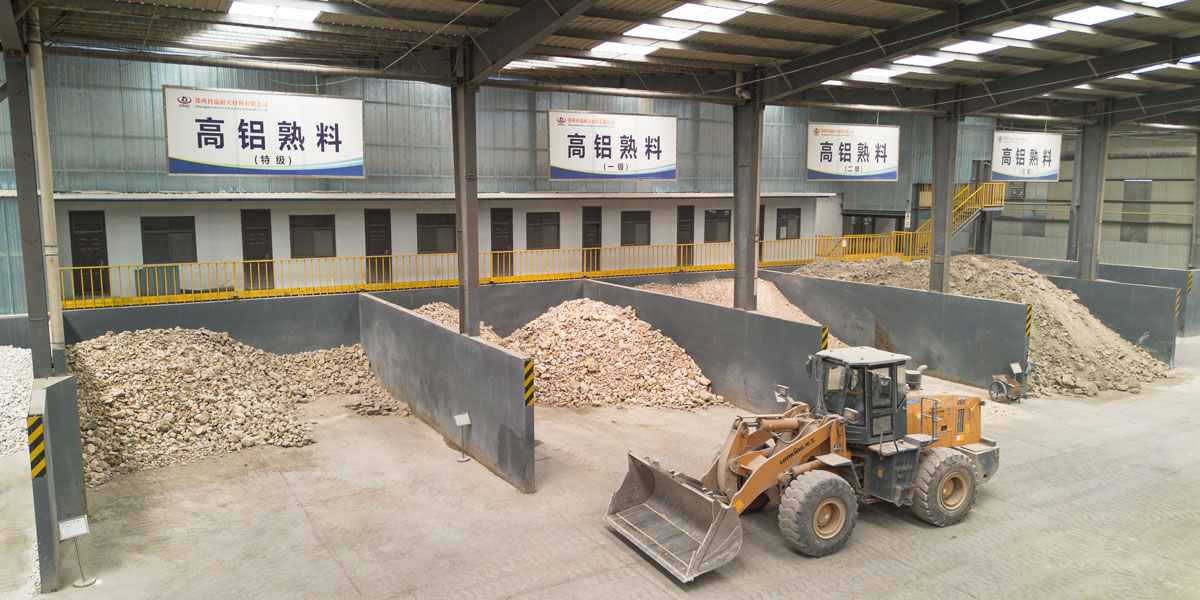
Fire Brick vs. Refractory Brick: Clarifying the Terminology
To avoid procurement mistakes, it is crucial to understand industry terminology. Misunderstandings often lead to purchasing under-qualified materials that melt or collapse upon first firing.
Definition and Common Misunderstandings
A “fire brick” is a broad, colloquial term often used by the general public to describe low-to-medium temperature clay bricks. An “industrial refractory brick” is the strict engineering term for high-purity, extreme-temperature blocks engineered for heavy kilns.
If you are procuring materials for an industrial furnace, applying standard commercial fire bricks to a steel ladle or cement kiln will result in catastrophic failure. Here is the fundamental difference:
| Feature | Standard Fire Brick | Industrial Refractory Brick |
|---|---|---|
| Target Application | Residential (Pizza ovens, fireplaces, BBQs) | Heavy Industry (Steel, Cement, Glass kilns) |
| Max Temperature | Typically < 1,000°C | 1,400°C to 2,000°C+ |
| Composition | Common clay, low alumina | High-purity bauxite, magnesia, silica, SiC |
| Slag Resistance | Very Poor | Highly Engineered (Acidic or Basic resistant) |
How to Choose Fire Brick Material in 5 Steps
Selecting the correct refractory lining should never be based on guesswork or simply reordering what was used previously. To engineer a resilient, cost-effective lining, follow this 5-step standard operating procedure (SOP) before issuing your next purchase order.
Step 1: Identify Operating and Peak Temperatures
Do not just look at the average continuous operating temperature. You must identify the absolute peak temperature (upset conditions) the hot face will experience. The material’s refractoriness must comfortably exceed this peak heat to prevent the internal ceramic matrix from softening, shrinking, or collapsing.
Step 2: Analyze Slag Chemistry
The golden rule of refractory engineering is to match the basicity. If your process generates basic slag (like steelmaking or cement clinker), you must select basic bricks (e.g., Magnesia). If your process involves acidic vapors or melts (like glassmaking), you must use acidic or neutral bricks (e.g., Silica or Fireclay). Mixing acidic bricks into a basic environment guarantees catastrophic chemical fluxing.
Step 3: Determine the Primary Wear Mechanism
Identify what will physically destroy the brick. Is the furnace turned on and off frequently? If so, prioritize Thermal Shock Resistance (TSR) to prevent the bricks from cracking and spalling. Is high-velocity dust, clinker, or heavy scrap metal constantly grinding against the walls? In that case, you need a material engineered for extreme abrasion resistance, such as Silicon Carbide (SiC) or High Alumina.
Step 4: Evaluate Mechanical Loads
Refractory bricks in a furnace roof crown or the bottom of a heavy ladle are under massive physical stress while glowing white-hot. For these load-bearing zones, always check the Refractoriness Under Load (RUL) and Cold Crushing Strength (CCS) on the Technical Data Sheet. A brick might have a high theoretical melting point but a low RUL, causing it to warp and collapse under heavy weight.
Step 5: Choose Material and Grade (The Zoned Approach)
Once you have mapped out the temperature, chemistry, wear, and load, cross-reference these factors with the material profiles. Apply a Zoned Lining Strategy: invest in premium, extreme-duty materials exclusively for the high-wear hot spots (like the slag line), while utilizing cost-effective fireclay or insulation bricks for the safety and backing layers to optimize your budget.
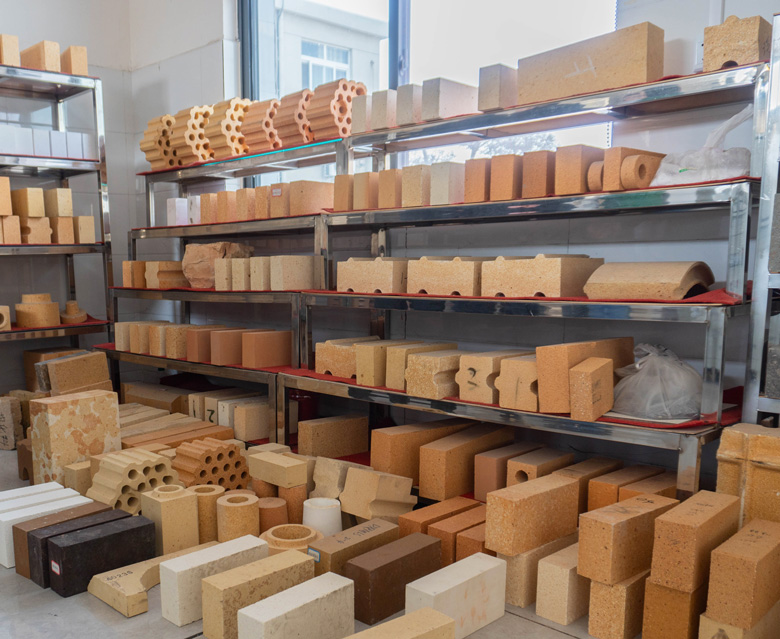
What Happens If You Choose the Wrong Material?
Failing to match the material to the specific thermal, chemical, and mechanical stresses of your kiln leads to rapid deterioration. Here is what happens when you make the wrong choice:
- Premature Spalling: If you use a rigid silica brick in a batch furnace with rapid heating and cooling, the thermal shock will cause the hot face of the brick to crack and peel off in thick layers.
- Slag Corrosion (Fluxing): Installing an acidic fireclay brick in a basic oxygen furnace (BOF) causes the basic slag to chemically dissolve the brick like sugar in hot water.
- Structural Collapse: If the chosen material has a low Refractoriness Under Load (RUL), the heavy weight of the furnace crown combined with extreme heat will cause the bricks to soften, warp, and eventually collapse.
Zoned Material Selection: Matching Bricks to Specific Kilns
Modern kilns require a composite lining. You must analyze the specific wear mechanisms of each zone to make the right choice.
1. The Steel Industry (BOF, EAF, and Ladles)
- Slag Line (Severe Corrosion): Requires absolute resistance to basic slag. Best choice: premium Magnesia Carbon Brick.
- Working Lining & Impact Area: Endures the physical impact of scrap charging. Use Alumina-Magnesia-Carbon Bricks or high-strength Magnesia Bricks.
- EAF Roof (Thermal Shock): The crown faces intense arc radiation. High Alumina Bricks (75-85% Al₂O₃) are the standard choice.
2. The Cement Industry (Rotary Kilns)
- Burning Zone: Temperatures peak at 1450°C. To form a stable clinker coating, use Magnesia Iron Spinel Bricks.
- Transition Zone: Frequent unstable coatings cause thermal shock. Silica Mullite Bricks provide necessary structural flexibility.
- Preheater & Cooler: Lower temperatures but high abrasion. Use alkali-resistant Fireclay Bricks.
3. The Glass Industry (Melting Tanks)
- Melting Tank Crown: The heavy roof must not sag at 1600°C. Silica Bricks are unmatched here due to their load-bearing capacity.
- Tank Walls (Direct Contact): Fused-cast AZS Bricks are mandatory to resist liquid glass corrosion.
Advanced Refractory Material Profiles
For procurement engineers, basic definitions are not enough. Here is the technical breakdown of advanced kiln materials and when to use them.
High Alumina Brick
An upgraded alumina-silicate material for heavy load-bearing zones (48% to 90% Al₂O₃).
- Best For: High load-bearing areas, EAF roofs, cement kiln transition zones, and general heavy industrial use.
- Avoid Using: Direct contact with highly corrosive basic steel slag (it will slowly erode).
Magnesia Carbon Brick
A composite basic material utilizing graphite to repel liquids (70-85% MgO, 10-20% Carbon).
- Best For: Basic oxygen furnace (BOF) working linings and steel ladle slag lines.
- Avoid Using: Highly oxidizing atmospheres (the carbon will rapidly burn out, destroying the brick).
Mullite Brick & Corundum Brick
Ultra-high purity synthetic materials for extreme, clean environments.
- Best For: Petrochemical gasifiers, clean-energy kilns, and glass regenerator roofs where low creep and zero contamination are required.
- Avoid Using: Low-budget applications where standard high-alumina would suffice (due to high cost).
Silicon Carbide (SiC) Brick
A non-oxide refractory known for extreme hardness and thermal conductivity.
- Best For: High-abrasion zones, aluminum melting furnaces, zinc retorts, and blast furnace lower stacks.
- Avoid Using: Environments with high concentrations of iron oxide or alkali vapors at peak temperatures.
The Ultimate Kiln Material Selection Matrix
To eliminate procurement guesswork, use this comprehensive engineering matrix. It cross-references operational parameters with exact lining positions (Hot Face/Working Layer vs. Cold Face/Safety Layer) and provides the standard industry grades you should look for on a Technical Data Sheet (TDS).
| Material | Max Temp & Slag | Hot Face (Working Layer) | Cold Face (Safety/Backup Layer) | Typical Application | Recommended Grade |
|---|---|---|---|---|---|
| Fireclay Brick | 1,350°C Weak Acidic | Only in low-temp boilers | IDEAL (Highly cost-effective) | Safety linings for blast furnaces, cement preheaters, general incinerators. | SK32, SK34 |
| High Alumina Brick | 1,600°C Neutral | YES (Heavy load zones) | YES (For high-temp kilns) | EAF roofs, cement kiln transition zones, steel ladle bottoms. | SK36, SK38, SK40 |
| Silica Brick | 1,650°C Highly Acidic | YES (Must avoid rapid cooling) | NO (Too rigid and expensive) | Glass melting furnace crowns (roofs), metallurgical coke ovens. | 96% SiO₂ Grade |
| Magnesia Carbon | 1,750°C+ Highly Basic | YES (Slag repulsion) | NO (Carbon burns out without slag cover) | BOF working linings, extreme wear zones in steel ladle slag lines. | MT-14A, MT-18A (14-18% Carbon) |
| Silicon Carbide (SiC) | 1,550°C Alkali Resistant | YES (Extreme abrasion zones) | NO (Overkill/Too expensive) | Aluminum melting furnaces, blast furnace lower stacks, high-velocity dust zones. | SiC-90, NBSiC (Nitride Bonded) |
Kerui Field Case Study: Upgrading a Cement Kiln Burning Zone
To understand the financial impact of proper selection, consider a recent project by Kerui Refractory for a 5,000 T/D cement plant suffering from premature lining failure.
The Problem: The plant used traditional magnesia-chrome bricks in their burning zone. Due to frequent kiln stops, the bricks suffered from severe thermal spalling. The service life maxed out at 8 months, causing costly unplanned outages.
The Solution: Kerui engineers redesigned the burning zone lining, replacing the toxic chrome bricks with advanced Magnesia Iron Spinel Bricks. The dynamic iron oxide rapidly formed a self-healing clinker coating, protecting the bricks from thermal shock.
| Metric | Before (Original Lining) | After (Kerui Upgrade) |
|---|---|---|
| Material Used | Magnesia Chrome Brick | Magnesia Iron Spinel Brick |
| Service Life | 8 Months | 12.5 Months (+40%) |
| Operational Status | Frequent emergency shutdowns | Stable, aligned with annual maintenance |
Frequently Asked Questions (FAQ)
1. How long do refractory bricks last?
The lifespan of a refractory lining is highly dependent on the industry, the specific furnace zone, and whether the correct material was selected. For example, a magnesia iron spinel lining in a cement rotary kiln’s burning zone typically lasts 10 to 14 months (aligning with annual maintenance schedules). In stark contrast, a magnesia-carbon brick in the severe wear zone of a steel ladle slag line may only survive a few weeks (60 to 120 heats) before requiring replacement.
2. How do I know if my refractory brick is failing?
Do not wait for a complete structural collapse. Procurement and maintenance teams should watch for three main indicators: 1) Visual Spalling: Large chunks of the hot face peeling off. 2) Shell Hot Spots: Routine thermal imaging (infrared scanning) revealing dangerous temperature spikes on the outer steel shell. 3) Excessive Thinning: Laser profiling showing the remaining brick thickness has dropped below your plant’s 30% safety threshold.
3. Can I mix different refractory bricks in the same furnace?
Yes, and you absolutely should. This is the core of the Zoned Lining Strategy—using expensive, extreme-duty bricks for high-wear areas and cost-effective bricks for safety layers. However, you must exercise extreme caution at the contact joints. Never place a highly acidic brick (like Silica) directly against a highly basic brick (like Magnesia) in a high-temperature zone without a neutral buffer (like High Alumina), or they will chemically react and melt each other.
4. What happens if I choose the wrong refractory brick?
Choosing a brick based solely on a low price tag usually leads to catastrophic, premature failure. If you use a rigid brick in a thermally cycling furnace, it will crack and spall. If you use a brick with low Refractoriness Under Load (RUL) in a furnace crown, the roof will sag and collapse. The ultimate consequence is massive financial loss due to unplanned downtime and ruined production batches.
5. Why is magnesia carbon brick unsuitable for oxidizing atmospheres?
Magnesia carbon bricks are incredible at repelling basic steel slag because of their graphite (carbon) network. However, carbon is highly reactive with oxygen at extreme temperatures. If placed in an oxidizing atmosphere (excess air/oxygen), the carbon will literally burn out of the brick. This leaves behind a porous, weak magnesia skeleton that will quickly crumble under mechanical stress.
6. How much does refractory brick replacement cost?
Smart procurement managers do not calculate cost by the price per ton; they calculate the Total Cost of Ownership (TCO). The actual material cost is only a fraction of the total expense. You must factor in the labor for demolition and masonry, disposal fees, and—most importantly—the hourly cost of lost production during the shutdown. Paying 20% more for a premium grade that extends your campaign life by three months will ultimately save your facility hundreds of thousands of dollars.
Conclusion
Choosing the best fire brick material for your kiln is not about finding the most expensive brick; it is about engineering a zoned lining strategy. By deeply analyzing the thermal shock, maximum temperatures, and specific slag chemistry of each furnace area, you can dramatically extend service life and reduce operational costs.
If you are experiencing premature lining failure or need to upgrade your current furnace materials, contact the expert engineering team at Kerui Refractory for a comprehensive thermal audit and customized material quotation.
 Whatsapp
 WeChat