Magnesia spinel bricks are globally recognized as the premier choice for the transition zones of cement rotary kilns and various high-temperature industrial furnaces. Thanks to their exceptional thermal shock resistance, superior structural flexibility, and chrome-free eco-friendly properties, they have successfully replaced traditional magnesia-chrome bricks in many heavy industry applications.
However, procuring premium refractory materials is only half the battle. As highly specialized alkaline refractories, magnesia spinel bricks require meticulous care before they ever face the heat of a kiln. Improper storage and mishandling can lead to severe performance degradation, or worse, render the bricks completely unusable before installation. For kiln managers and procurement engineers, understanding how to store and use magnesia spinel bricks is essential to protecting your investment and ensuring a long-lasting kiln lining.
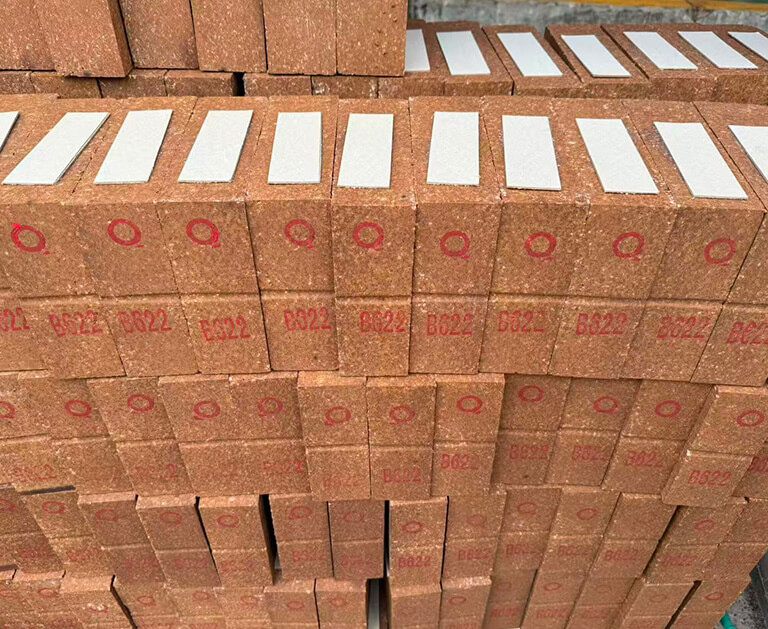
Why is Proper Storage Critical for Magnesia Spinel Bricks?
The primary vulnerability of magnesia-based basic refractories during storage is hydration.
Magnesia spinel bricks contain free magnesia (MgO). When this material is exposed to water, condensation, or highly humid air, a chemical hydration reaction occurs:
When magnesium oxide converts into magnesium hydroxide, the compound undergoes a significant volume expansion. This internal expansion generates immense stress within the brick’s matrix. The physical consequences are devastating:
- Surface Cracking: Fine spiderweb cracks appear on the brick’s surface.
- Loss of Strength: The internal structure loosens, drastically reducing the cold crushing strength.
- Crumbling and Powdering: In severe cases of moisture exposure, the brick edges will turn to powder and the entire block may disintegrate.
The Business Impact: Hydration damage is irreversible. Installing compromised bricks will inevitably lead to thermal spalling, premature lining failure, and costly unplanned kiln downtime. Therefore, a strict storage protocol is your first line of defense.
Best Practices for Storing Magnesia Spinel Bricks
To maintain the pristine condition and thermo-mechanical properties of your refractory lining, warehouse management must adhere to the following best practices.
1. Keep in a Dry and Ventilated Environment
Never store basic refractory bricks outdoors. They must be housed in a fully enclosed, well-ventilated indoor warehouse to protect them from rain, snow, and direct weather exposure. Maintain a stable indoor environment, ideally keeping the temperature between 10°C and 30°C, and ensure humidity levels remain as low as possible to prevent condensation on the packaging.
2. Elevate Bricks from the Ground
Direct contact with concrete or dirt floors is strictly prohibited. Concrete floors can retain and transfer moisture through capillary action directly into the bottom layers of the bricks. Always keep the pallets elevated using wooden skids, steel racks, or reinforced pallets, maintaining a ground clearance of at least 10 to 15 centimeters.
3. Maintain Original Packaging
Reputable manufacturers like Kerui Refractory utilize heavy-duty, multi-layered moisture-proof packaging for international shipping. This typically includes heavy shrink wrap, internal moisture-proof plastic bags, and secure strapping.
- Do not break the seal: Never remove the moisture-proof shrink wrap or open the protective bags until the pallets are transported to the kiln floor and are ready for immediate installation. The packaging is your ultimate barrier against ambient humidity and industrial dust.
4. Strictly Control Storage Time
Alkaline refractories are not designed for infinite storage. Even with top-tier packaging, prolonged storage increases the risk of slow hydration.
- Shelf Life: It is generally recommended that magnesia spinel bricks be used within 6 months from their production date.
- Inventory Management: Implement a strict First-In, First-Out (FIFO) inventory management system. Always use the oldest stock first to prevent material expiration and ensure the highest safety standards for your rotary kiln operations.
Handling and Transportation Guidelines
While magnesia spinel bricks possess excellent cold crushing strength, they are inherently brittle refractory materials. Rough handling can compromise their structural integrity before they even reach the installation site.
- Avoid Mechanical Impact: During loading, unloading, and internal transport, forklift operators must maneuver with care. Avoid sudden drops, collisions, or severe vibrations. Chipped edges and broken corners (often caused by rough handling) will negatively affect the masonry joints, creating weak points where hot gases and corrosive clinker can penetrate during kiln operation.
- Safe Transit: If transporting the pallets from the warehouse to the kiln site, ensure the trucks are equipped with waterproof tarpaulins to protect against unexpected rain. Never transport basic refractories in the same vehicle as wet bulk materials (like wet sand or clay).
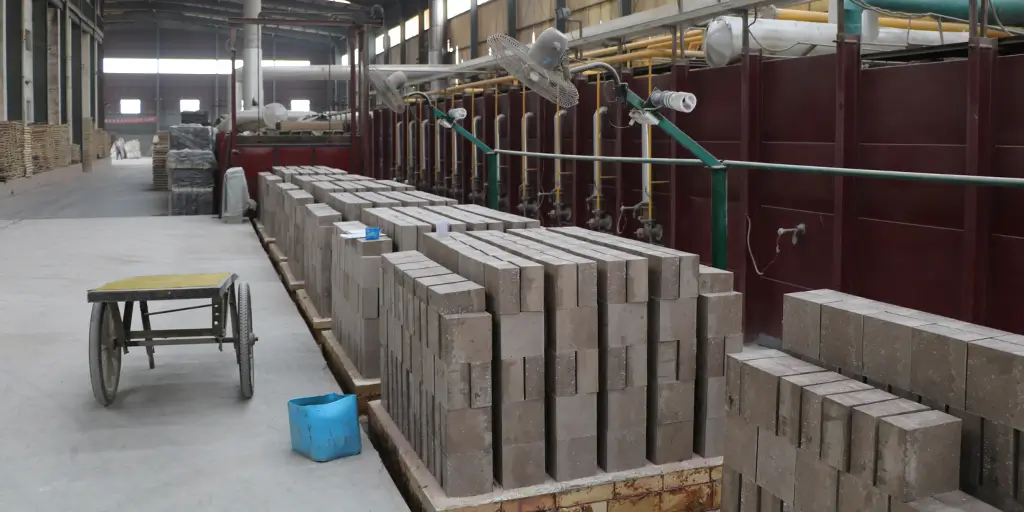
How to Use and Install Magnesia Spinel Bricks Properly?
Proper installation is just as critical as safe storage. Even perfectly preserved bricks can fail if the masonry and heat-up processes are flawed.
Key Application Zones
Due to their outstanding thermal shock resistance and high refractoriness under load, magnesia spinel bricks are the standard choice for the upper and lower transition zones of cement rotary kilns. They withstand the severe temperature fluctuations and chemical attacks in these areas without relying on toxic chromium elements, making them the ultimate eco-friendly lining solution.
Installation Precautions
- Dry Masonry is Mandatory: Alkaline bricks must generally be installed using the dry masonry method. Never use water-based refractory mortar or expose the bricks to water during the installation process. If a binding agent is absolutely required by the engineering design, only use strictly specified, non-aqueous specialized mortars.
- Calculate and Reserve Expansion Joints: Magnesia-based refractories have a relatively high coefficient of thermal expansion. As the kiln heats up, the bricks will expand significantly. It is imperative to reserve accurate expansion joints based on the kiln diameter and engineering drawings. Use combustible materials like ceramic fiber paper, cardboard, or specialized expansion boards between the bricks. This absorbs the thermal expansion stress and prevents the lining from crushing itself (spalling) under extreme pressure.
Heating Up and Drying Curve
The first heat-up of a newly lined kiln is a critical operation. You must strictly follow a scientifically designed heating and drying curve provided by refractory experts. Raising the temperature too rapidly will cause thermal shock and trap residual moisture (from the environment or expansion joint materials) inside the lining. This moisture turns to steam, creating immense internal pressure that can blow the faces off the new bricks. A slow, controlled temperature rise ensures a safe bake-out and maximizes the lifespan of your refractory lining.
Field Experience: Common Installation Traps and How to Avoid Them
Theoretical knowledge is not enough when you are on the kiln floor. Over years of providing on-site technical support for global cement plants, Kerui Refractory engineers have identified several common pitfalls during the installation of basic refractories.
The Expansion Joint Trap: It’s Not Magnesia-Chrome
A frequent mistake made by masonry teams is applying the installation habits of traditional magnesia-chrome bricks to magnesia spinel bricks. Magnesia spinel has a noticeably higher coefficient of thermal expansion. If you use the standard 2mm cardboard expansion joints, the bricks will generate immense compressive stress during the heat-up phase, leading to severe mechanical spalling. Kerui Recommendation: Always use 3mm to 4mm combustible ceramic fiber boards in the transition zone, precisely calculated based on your specific kiln diameter.
Tropical and Monsoon Storage Contingencies
For cement plants operating in Southeast Asia, South America, or other high-humidity tropical regions, standard indoor storage might not be enough during monsoon seasons. In these extreme conditions, we recommend double-wrapping pallets with waterproof tarpaulins and placing industrial desiccant bags within the storage area. Weekly visual inspections of the shrink wrap seals are mandatory.
Field Troubleshooting: How to Detect Hydration Without a Lab
If you suspect that a batch of magnesia spinel bricks might have been exposed to moisture due to warehouse roof leaks or transit damage, do not load them into the kiln blindly. Here is how field engineers perform a rapid hydration check without laboratory equipment:
- The Visual Inspection (Efflorescence): Check the edges and corners of the bricks. If hydration has begun, you will often see fine, white powdery spots or a chalky residue precipitating on the surface.
- The Acoustic Hammer Test: Strike the center of the brick lightly with a steel inspector’s hammer. A healthy, structurally sound brick will produce a crisp, metallic ring. If the brick produces a dull, flat thud, it indicates that internal micro-cracking has occurred due to magnesium hydroxide expansion. These bricks must be segregated and evaluated by a refractory specialist.
Material Upgrade: Magnesia Spinel vs. Magnesia Chrome
Why undergo these strict storage protocols? Because the performance upgrade is worth it. Here is a quick field-performance comparison highlighting why magnesia spinel is the superior choice for the transition zone.
| Performance Metric | Magnesia Spinel Bricks | Magnesia-Chrome Bricks |
|---|---|---|
| Thermal Shock Resistance | Excellent (Withstands rapid temperature swings) | Moderate to Poor |
| Environmental Impact | 100% Chrome-Free & Eco-friendly | Produces toxic Hexavalent Chromium (Cr6+) |
| Clinker Coating Ability | Good (Promotes stable kiln crust) | Excellent |
| Typical Service Life | 12 – 24 Months | 8 – 12 Months |
Case Study: Salvaging the Lining of a 5000 T/D Cement Kiln
To illustrate the critical nature of handling procedures, consider a recent project involving a 5,000-ton-per-day cement rotary kiln in Southeast Asia.
The Challenge: During the monsoon season, a minor roof leak in the client’s temporary warehouse exposed two pallets of magnesia spinel bricks to high ambient humidity for several days. The masonry team was preparing to scrap the pallets, fearing catastrophic hydration failure.
The Kerui Solution: Kerui’s on-site technical supervisors immediately intervened. After performing the acoustic hammer test, we determined that the hydration was strictly superficial and had not penetrated the core matrix. Instead of discarding the expensive materials, our engineers dynamically adjusted the kiln heat-up curve.
- We extended the holding time at the 150°C to 300°C range by an additional 12 hours.
- This extremely slow bake-out allowed the trapped free moisture and crystallization water to vent as vapor slowly, without generating the internal pressure that causes thermal spalling.
The Result: The bricks were successfully sintered in the kiln. The transition zone lining achieved a remarkable service life of 14.5 months, saving the client tens of thousands of dollars in replacement material and preventing weeks of unplanned downtime. This highlights why partnering with a refractory supplier that offers advanced post-sales engineering support is invaluable.
Frequently Asked Questions (FAQ)
Q: Can I still use Magnesia Spinel Bricks if they get wet in the warehouse?
A: We strongly advise against it. Once hydration occurs and the brick exhibits surface cracking or powdering, the structural damage is irreversible. Attempting to salvage and install hydrated bricks will likely lead to rapid spalling, kiln shell overheating, and disastrous unplanned shutdowns. It is always more cost-effective to replace damaged bricks than to halt production.
Q: How long do Magnesia Spinel Bricks typically last in a cement rotary kiln?
A: Under optimal operating conditions, and assuming proper storage and installation, high-quality magnesia spinel bricks can achieve a service life of 12 to 24 months or more in the transition zone. The exact lifespan also depends on raw meal stability, fuel type, and kiln operation consistency.
Partner with Kerui Refractory for Reliable Solutions
The performance of your high-temperature equipment relies heavily on the quality of the materials you choose and the expertise behind them.
At Kerui Refractory, we don’t just manufacture industry-leading magnesia spinel bricks with exceptional thermal stability and corrosion resistance; we also ensure they reach your facility in perfect condition. Our strict international shipping protocols feature heavy-duty wooden pallets and three layers of premium moisture-proof packaging to completely eliminate hydration risks during transit.
Beyond manufacturing, Kerui offers comprehensive technical support, from custom lining design to on-site masonry guidance and heat-up curve optimization.
Ready to upgrade your kiln lining and reduce maintenance costs?
Contact Kerui Refractory today for a free quote, technical consultation, and world-class refractory solutions tailored to your project.
 Whatsapp
 WeChat