

Premium Refractory Materials for High-Temperature IndustriesExplore Kerui Refractory’s comprehensive range of high-performance products engineered for extreme environments. From standard dense shaped refractory bricks to advanced monolithic refractories and insulation materials, we deliver reliable solutions to optimize your furnace efficiency, extend kiln lifespan, and ensure operational safety. Browse our full catalog below to find the exact specifications your project requires.
Kerui Refractory Bricks for Sale
Alumina Silica Series Brick
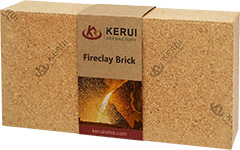
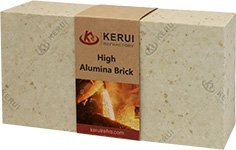
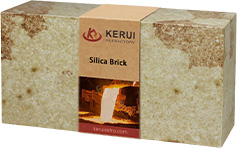
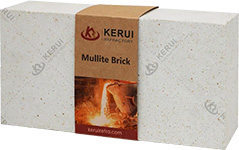
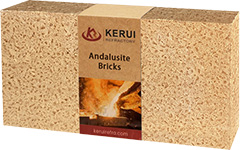
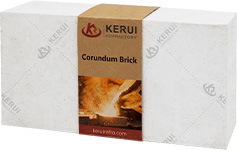
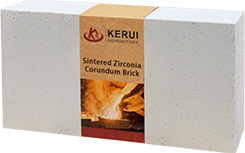
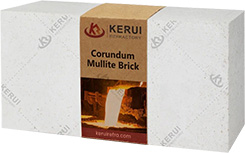
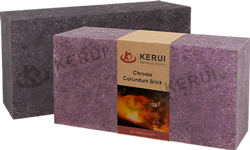
Magnesia Series Bricks
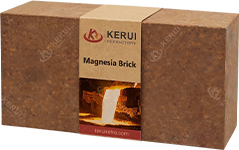
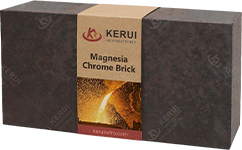
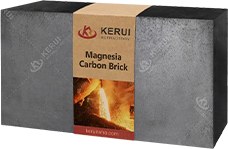
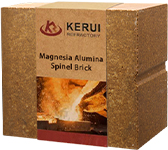
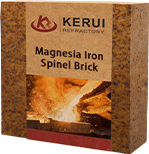
Special Brick
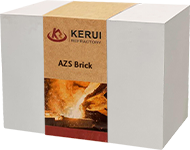
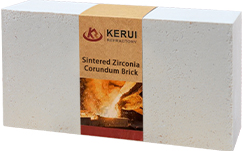
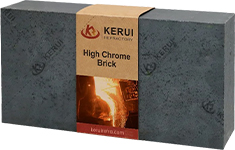
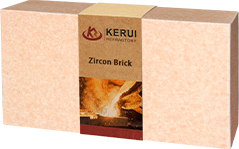
Silicon Carbide Series Brick
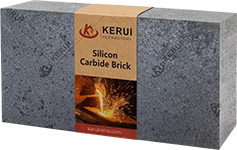
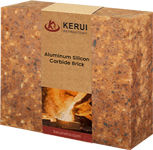
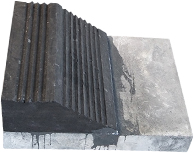
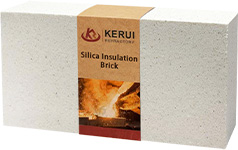
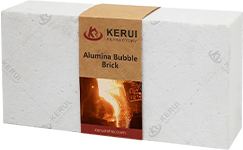
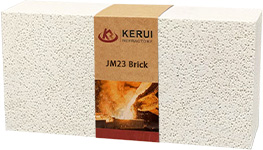
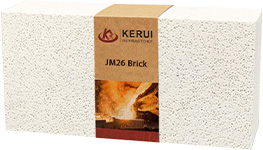
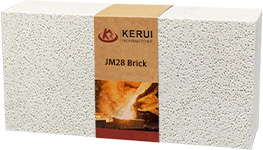
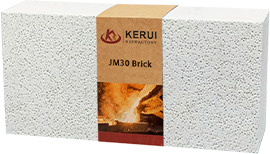
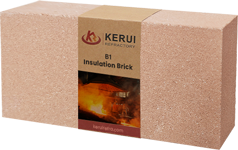
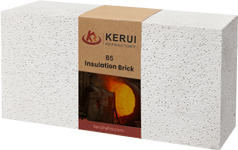
Kerui Insulation Bricks for Sale
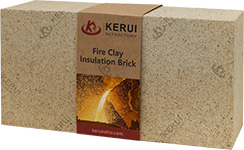
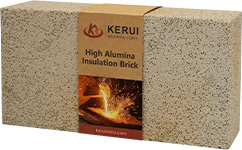
Al2O3: ≥48%;
Classification Temp: 1250-1350℃;
Bulk Density: 0.8-1.2g/cm³;
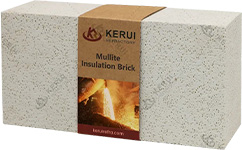
Al2O3: 42-72%;
Classification Temp: 1300-1450℃;
Bulk Density: 0.55-1.1g/cm³;
Kerui Monolithic Refractory Products
Refractory Cement
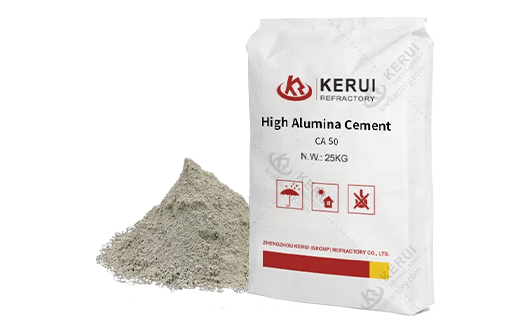
Al2O3: 50-52%;
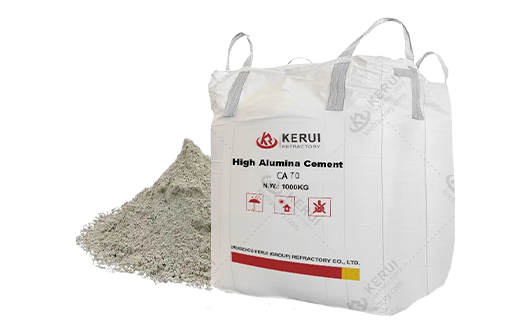
Al2O3: 68-71%;
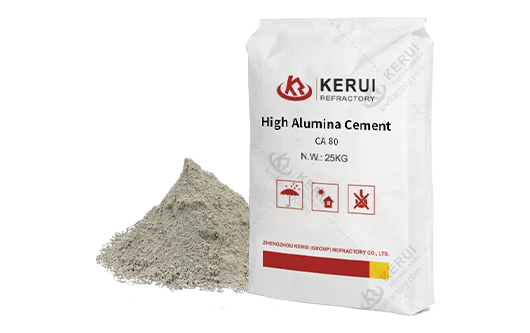
Al2O3: 77-80%;
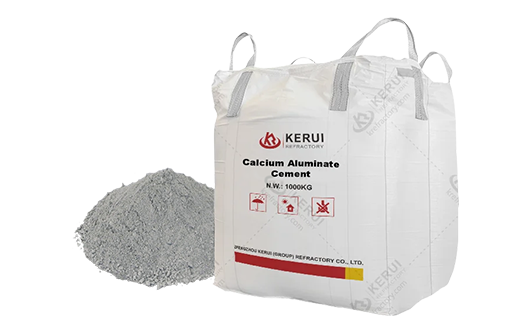
Al2O3: 50-80%;
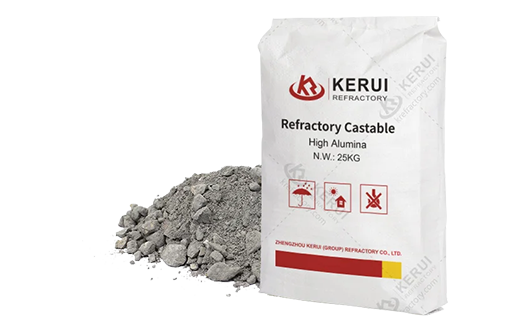
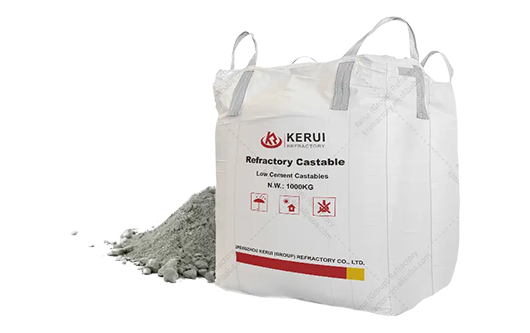
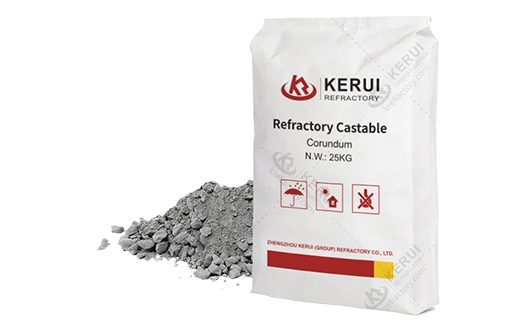
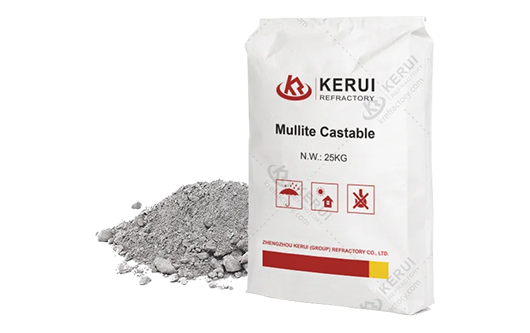
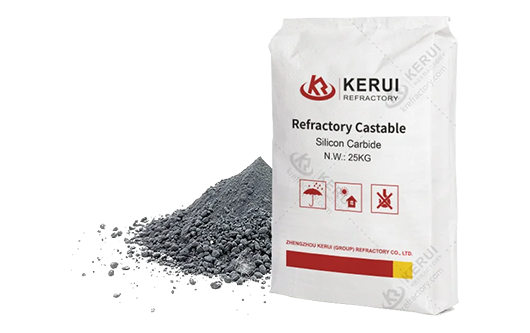
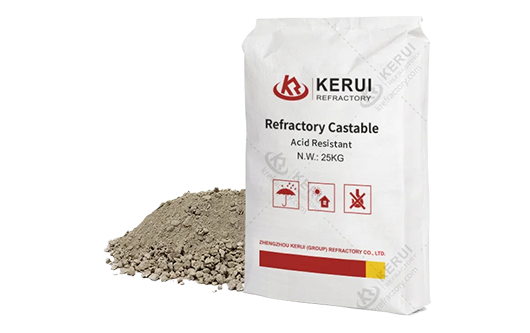
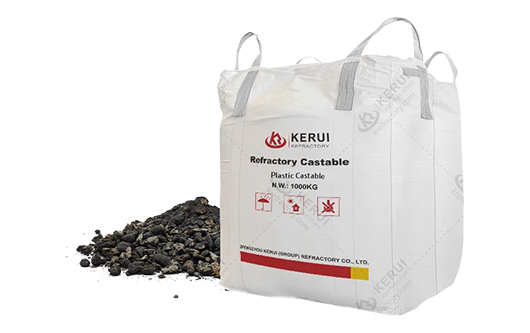
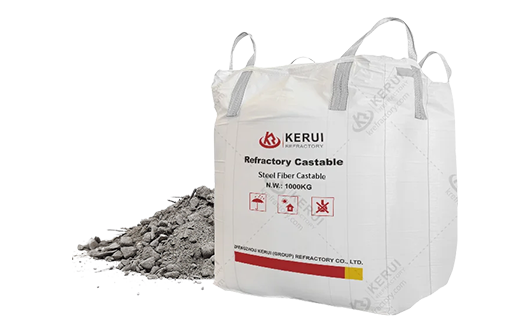
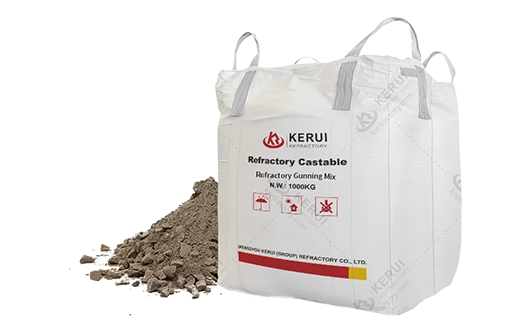
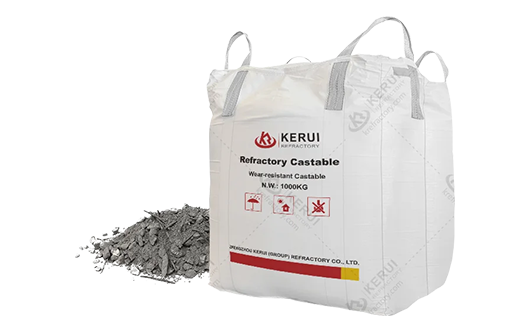
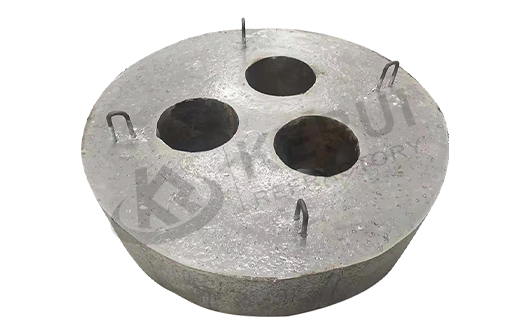
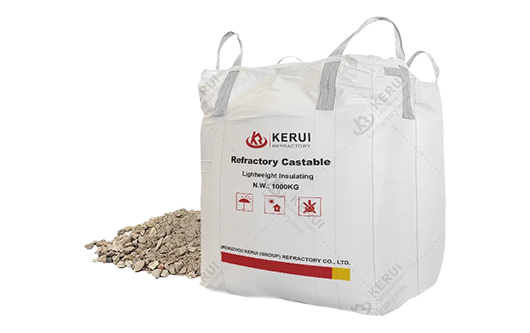
Refractory Castable
Refractory Mortar
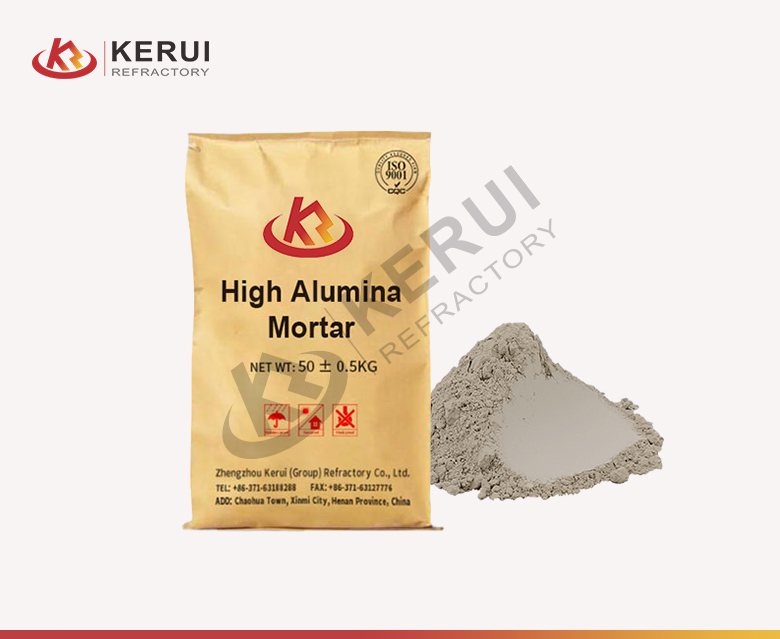
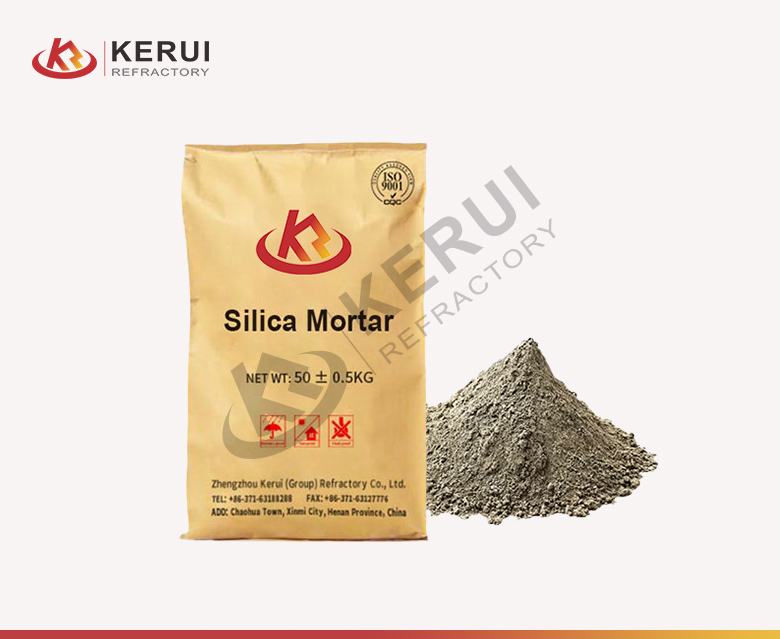
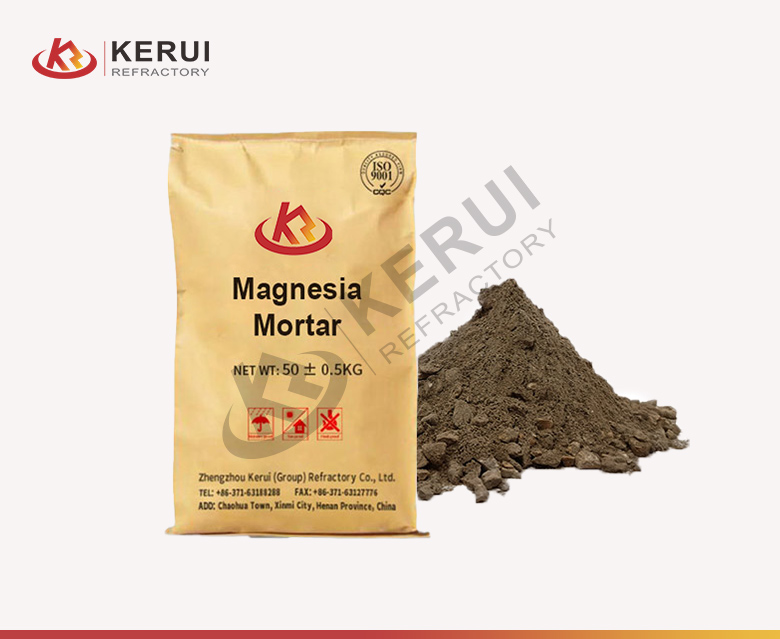
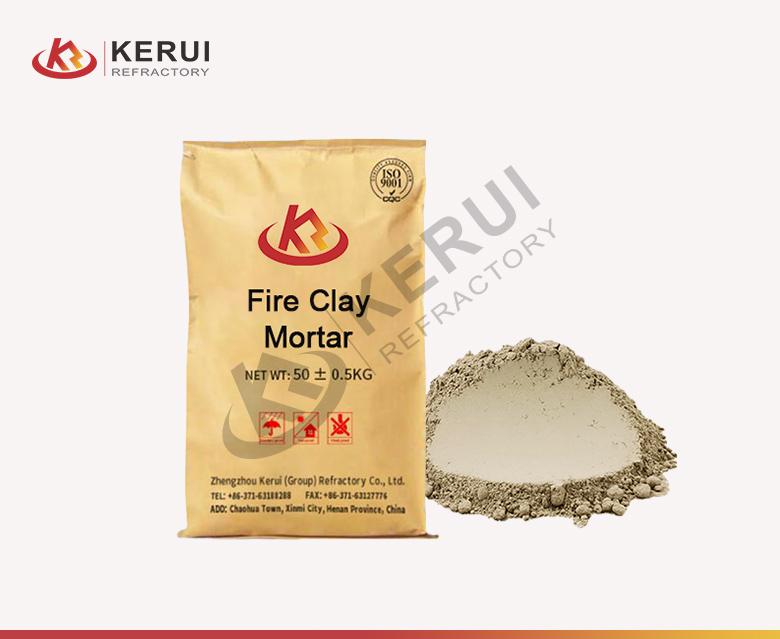
Refractory Mass
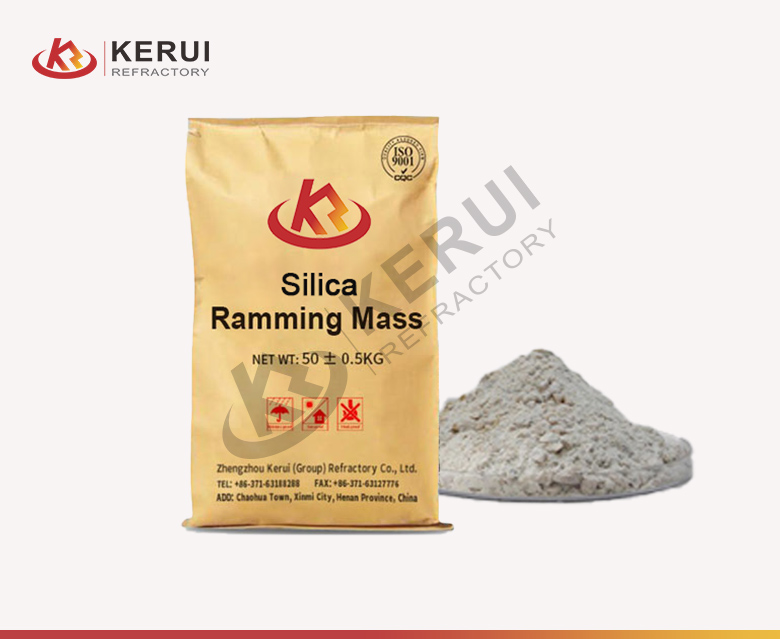
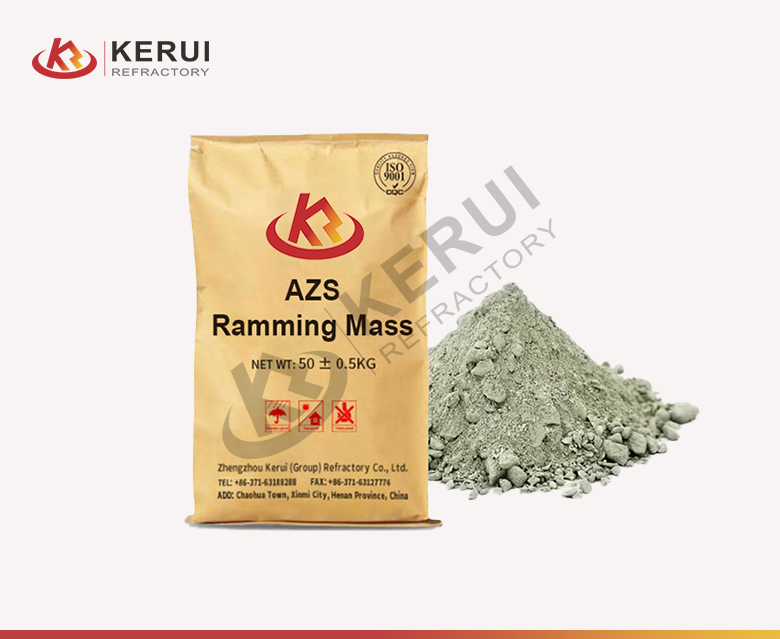
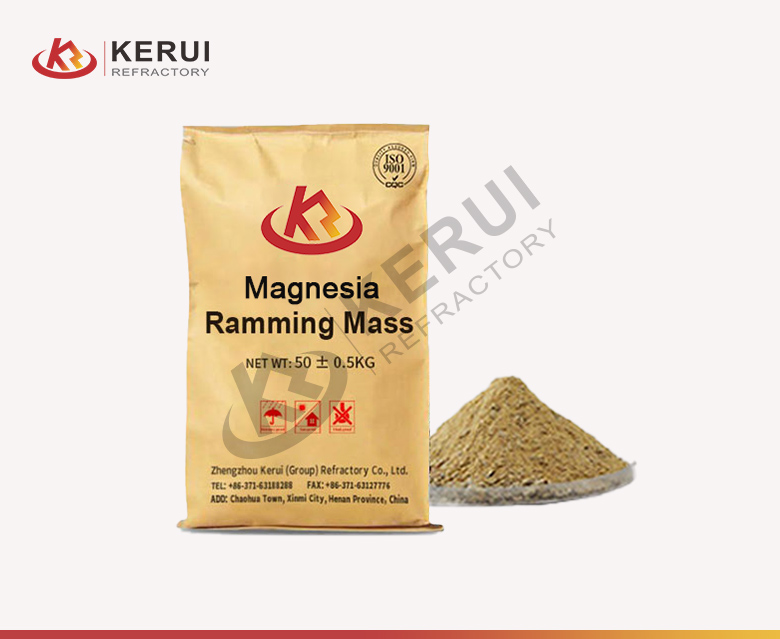
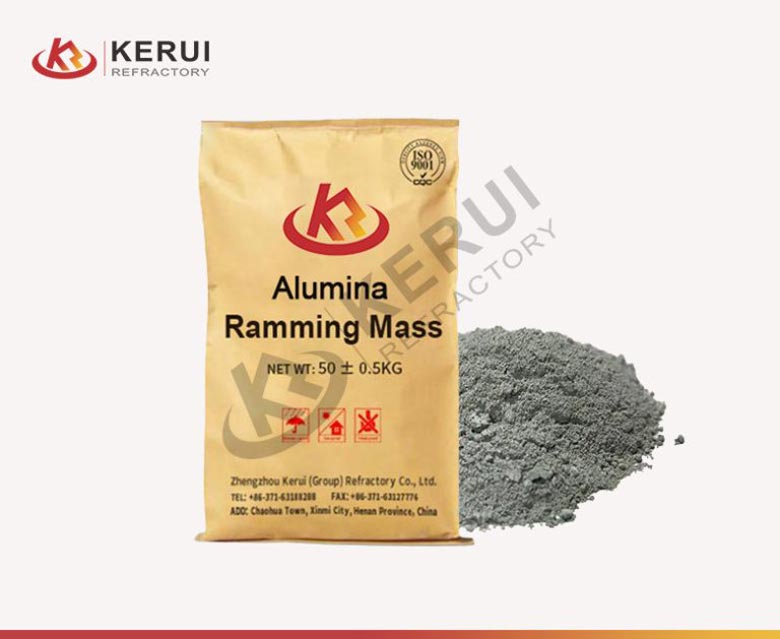
Kerui Ceramic Fiber Products for Sale
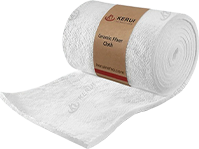
Bulk Density: 96-160g/cm³;
Classification Temp: 800-1450ºC;
Thickness: 6-60mm;
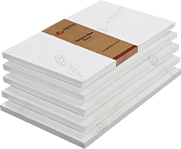
Bulk Density: 260-320g/cm³;
Classification Temp: 950-1430ºC;
Thickness: 3-100mm;
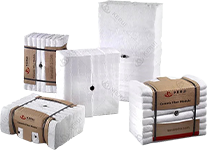
Bulk Density: 160-220g/cm³;
Classification Temperature: 1260-1430ºC;
Accessories: Anchors;
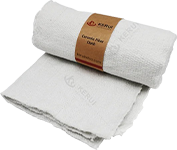
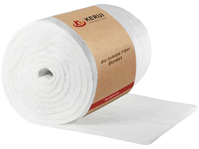
Bulk Density: 64-500g/cm³;
Classification Temperature: 1100ºC;
Thickness: ≥1mm;
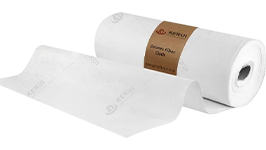
Bulk Density: 200-240g/cm³;
Classification Temperature: 1260-1350ºC;
Thickness: ≥1mm;
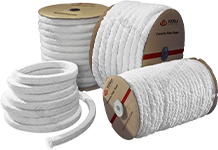
Bulk Density: 380-500g/cm³;
Classification Temperature: 650-1400ºC;
Size: Φ6-50mm;
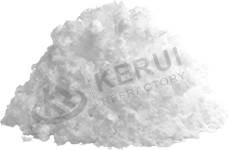
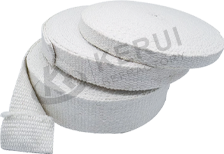
Bulk Density: ≥500kg/m³;
Classification Temperature: 1000~1260ºC;
Thickness: ≥3mm;
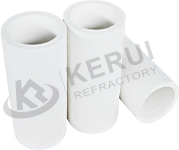
Bulk Density: 100-300kg/m³;
Service Temperature: 1000-1280ºC;
Inner Diameter: 18-539mm;
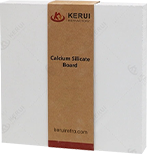
Bulk Density: 230-253kg/m³;
Service Temperature: 650-1110ºC;
Thickness: 25-115mm;
Kerui Kiln Shelves for Sale
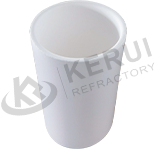
NO.1 Cordierit Mullite Pottery Kiln Shelves (500-1300°C)
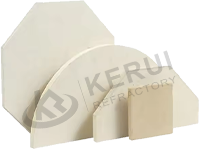
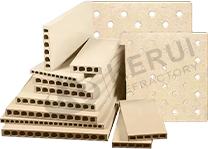
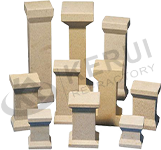
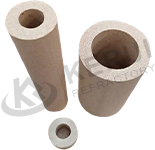
OD*ID*L: (35-220)*(20-180)*(20-1000)mm;
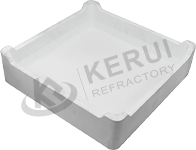
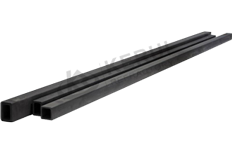
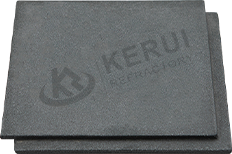
NO.2 Silicon Carbide Kiln Shelves Products (1650°C)

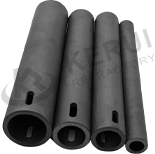
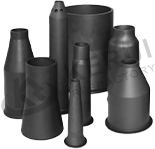
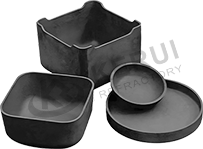
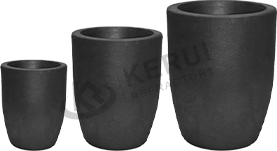
Outer diameter: 142-1050mm;
Inner diameter: 110-930mm;
Overall height: 180-1320mm;
Kerui Refractory & Insulation Solutions
Industrial furnaces require reliable linings to keep running efficiently and safely. Kerui Refractory manufactures a complete range of high-temperature materials for plants in the metallurgy, cement, glass, petrochemical, and power generation sectors.
Main Product Categories
We supply five main types of materials, depending on your furnace’s specific thermal and chemical environment:
- Refractory Bricks: Heavy-duty bricks for direct heat and slag exposure. This includes premium high-alumina bricks and fireclay options built for structural stability and wear resistance in the working lining.
- Insulation Bricks: Lightweight bricks designed to reduce heat loss. They have low thermal conductivity, which helps lower energy consumption in the backup insulation layer of the kiln.
- Monolithic Refractories: Unshaped materials including refractory castables, mortars, ramming masses, and gunning mixes. These are ideal for seamless linings, complex shapes, and quick furnace repairs.
- Ceramic Fiber Products: Flexible, lightweight insulation. Our ceramic fiber blankets, boards, and modules offer excellent thermal resistance while keeping the overall lining weight down.
- Kiln Furniture: Structural supports for firing processes. We produce silicon carbide (SiC) plates, beams, props, and saggars that stay strong and resist warping under heavy loads at extreme heat.
Key Material Performance
Plant managers and engineers need precise data. We test our materials rigorously to ensure they hit the required physical and chemical specs:
- Load Softening Temperature: Our dense refractories maintain their shape and stability under mechanical stress, even at peak operating heat.
- Reheating Linear Change Rate: Volume stability matters. Kerui products show minimal permanent linear change, which prevents the masonry from cracking due to excessive expansion or shrinkage.
- Thermal Shock Resistance: Built to handle sudden temperature drops or spikes without spalling or structural failure.
- Chemical & Slag Resistance: Formulated to resist alkali attack and molten slag penetration based on your specific kiln atmosphere.
Working with Kerui
We do more than just supply materials. The Kerui technical team helps with initial material selection, custom shape manufacturing, and installation advice. We focus on strict batch-to-batch quality control so you get reliable linings that actually last and keep your maintenance costs down.
Frequently Asked Questions (FAQ)
1. What is the main difference between refractory bricks and insulation bricks?
Refractory bricks (the working lining) are heavy and dense, built to take direct contact with flames and slag. Insulation bricks (the backup lining) are porous and lightweight; they block heat transfer to save energy but cannot handle direct mechanical wear or chemical erosion.
2. Can Kerui customize shapes and sizes?
Yes. We stock all standard dimensions, but our factory can easily customize shapes, sizes, and formulations based on your specific furnace blueprints.
3. How do I choose the right monolithic refractory?
It depends on how you plan to install it (pouring, ramming, or gunning), the operating temperature, and the chemical environment. Just send your application details to the Kerui team, and we’ll recommend the right mix for the job.
4. What refractory materials are used in cement kilns?
Cement kilns use different materials based on the temperature zone. The burning zone usually requires magnesia-iron spinel bricks or magnesia-alumina spinel bricks for good kiln-coating adherence. The transition and cooling zones typically use silica-mullite bricks or high-alumina bricks. For the preheater and calciner systems, alkali-resistant bricks and castables are used to prevent chemical plugging and erosion.
5. What temperature can high alumina bricks withstand?
It depends heavily on the alumina (Al2O3) content. Standard high-alumina bricks have a refractoriness between 1750°C and 1790°C. For safe, continuous working environments, standard grades usually handle 1300°C to 1450°C. Premium grades with over 80% Al2O3 can safely operate up to 1500°C or 1600°C under specific load conditions.
 Whatsapp
 WeChat