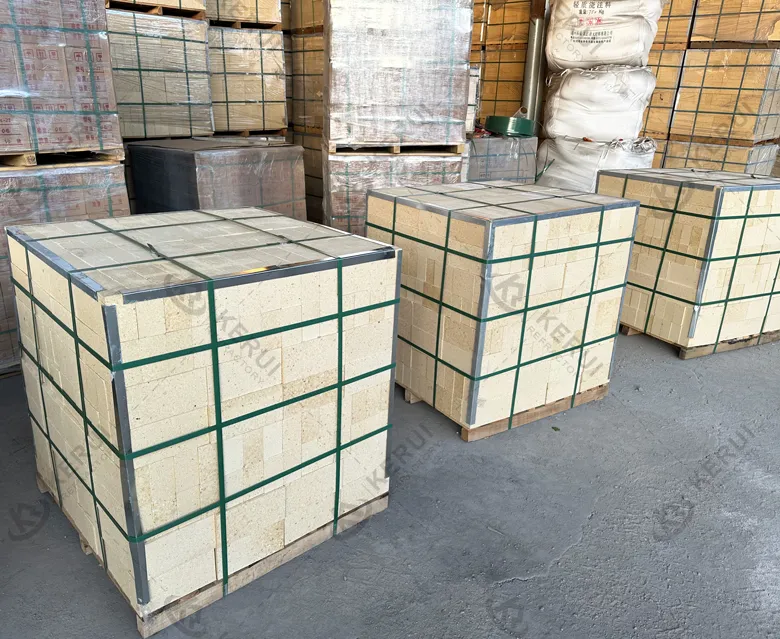
In the world of high-temperature industrial manufacturing, the terms “refractory brick” and “fire brick” are often used interchangeably by the general public. Selecting the wrong lining material can lead to catastrophic furnace failure, costly downtime, and severe safety hazards.
So, what is the actual difference between a refractory brick vs fire brick?
Simply put, all fire bricks are a type of refractory brick, but not all refractory bricks are fire bricks. * Fire Brick: This is typically a standard, general-purpose brick made primarily from fireclay. It is designed to withstand moderate heat and is commonly used in residential fireplaces, pizza ovens, and low-stress industrial applications.
- Refractory Brick: This is a broad, highly technical category of engineered materials. Industrial refractory bricks are specifically formulated to withstand not just extreme temperatures, but also severe chemical corrosion from slag, heavy mechanical abrasion, and rapid thermal shock in complex industrial environments.
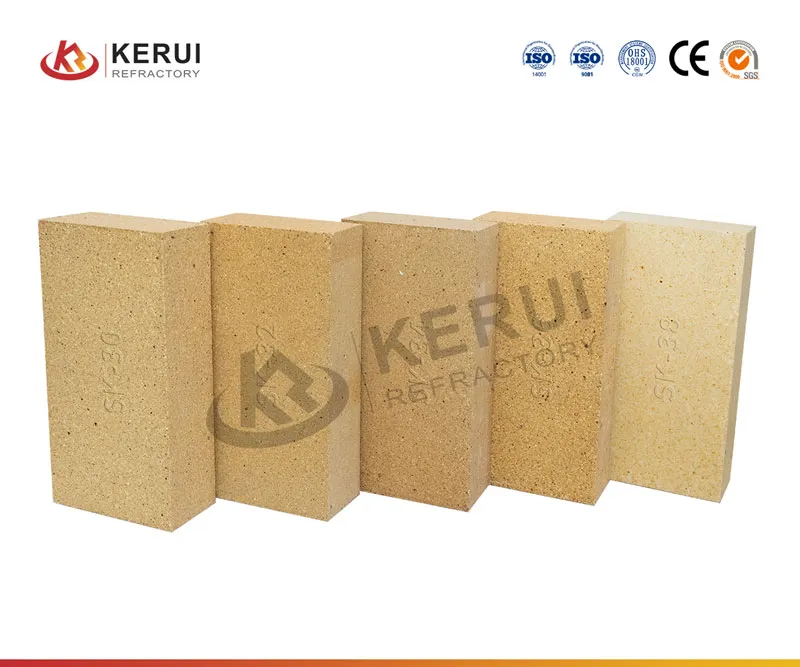
The Technical Breakdown: Refractory Brick vs. Fire Brick
To truly understand the difference, we must look beyond the surface and examine the micro-structure and chemical composition of these materials. In B2B industrial applications, performance is dictated by data.
1. Chemistry and Raw Material Composition
The fundamental difference lies in what these bricks are made of. The purity and type of raw materials directly dictate how the brick will behave under thermal and chemical stress.
- Fire Bricks (Fireclay Bricks): These are primarily composed of natural fireclay, which is a mix of alumina (Al₂O₃) and silica (SiO₂). The alumina content in standard fire bricks typically ranges from 25% to 45%. They also contain higher levels of impurities like iron oxide, calcium, and alkali metals. In high-temperature environments, these impurities act as fluxes, lowering the overall melting point of the brick.
- Refractory Bricks (High-Performance): These are engineered using high-purity synthetic or calcined materials. For instance, High-Alumina Bricks can contain anywhere from 48% to over 95% Al₂O₃. Furthermore, the broader “refractory brick” category encompasses entirely different chemical families designed for specific reactions, such as:
-
- Magnesia Bricks (Basic): Dominated by MgO, perfect for highly basic environments like steelmaking ladles.
- Silica Bricks (Acidic): Composed of nearly pure SiO₂, engineered for the continuous high-temperature environments of glass melting furnaces.
2. Refractoriness vs. Service Temperature
In refractory engineering, there is a crucial distinction between refractoriness (the temperature at which a material softens in a controlled, load-free lab environment) and service temperature (the actual maximum temperature the brick can safely endure under a physical load).
- Fire Bricks: While a standard fireclay brick might boast a theoretical refractoriness of 1580°C to 1700°C, its maximum safe working temperature under load (Refractoriness Under Load, or RUL) is often much lower, hovering around 1300°C to 1400°C. Beyond this point, the structural integrity compromises due to the impurities melting.
- Refractory Bricks: High-grade refractory bricks are manufactured with minimal impurities to ensure the RUL is as close to the absolute refractoriness as possible. A premium corundum brick (a type of high-alumina refractory), for example, can maintain structural integrity at continuous service temperatures exceeding 1750°C, even when supporting the immense weight of a rotary kiln lining.
3. Critical Physical Properties for Industrial Use
Temperature resistance is only one piece of the puzzle. Industrial environments attack linings from multiple angles. When comparing a standard fire brick to a specialized refractory brick, engineers must evaluate three key physical properties:
- Thermal Shock Resistance: How well does the brick handle rapid heating and cooling? Standard fire bricks perform adequately in stable environments. However, in applications with frequent start-stop cycles, engineered refractory materials (like mullite bricks) are required to prevent internal cracking and surface spalling.
- Slag Resistance: This is where specialized refractory bricks shine. If you are operating a cement rotary kiln or a non-ferrous smelting furnace, chemical attack from molten slag will destroy a standard fireclay brick rapidly. You must match the chemical nature of the slag with a corresponding basic or acidic refractory brick to prevent chemical erosion.
- Mechanical Strength (Cold Crushing Strength – CCS): In heavy wear areas, such as the discharge end of a rotary kiln or the high-friction zones of a solid waste incinerator, physical abrasion is intense. High-alumina and silicon carbide refractory bricks are sintered at extreme temperatures to provide exceptional CCS, resisting the grinding force of the materials moving through the furnace.
- Bulk Density (BD): A higher density generally indicates lower porosity, meaning less slag and gas can penetrate the brick.
- Apparent Porosity (AP): Measured as a percentage. Lower porosity (typically under 20% for dense bricks) is crucial for resisting chemical attack.
- Cold Crushing Strength (CCS): This tells you how much physical punishment the brick can take before installation and during operation. High CCS is vital for high-abrasion zones.
Reheat Linear Change (RLC): Also known as permanent linear change. This measures whether the brick will shrink or expand after being exposed to high temperatures for a long time. A low RLC percentage guarantees your furnace lining will remain tightly sealed without dangerous gaps.
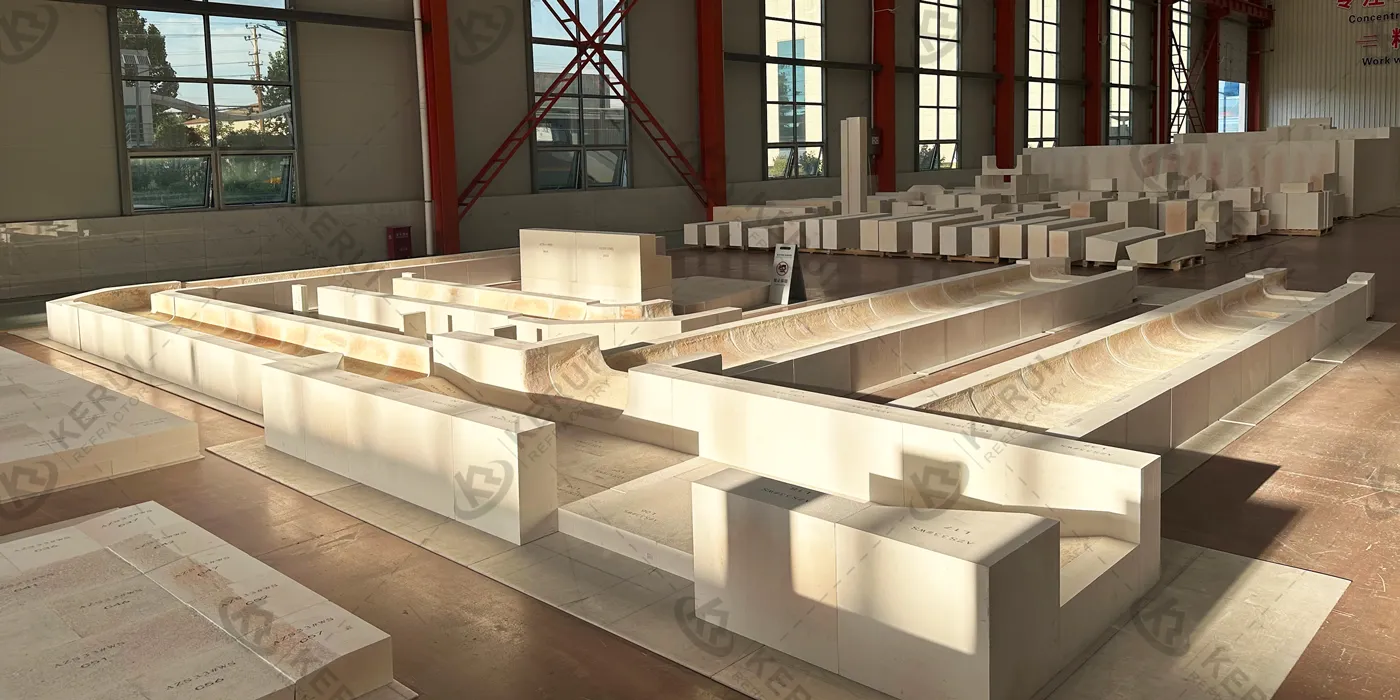
Key Types & When to Use Which: A Quick Reference Guide
To help you navigate the complex market of kiln linings, we have categorized the most common materials. Choosing the right brick is not just about temperature; it is about matching the material’s properties to your furnace’s specific environment.
| Brick Type | Primary Composition | Key Characteristics | Ideal Industrial Applications |
| Standard Fire Brick | Fireclay (25%-45% Al₂O₃) | Low cost, moderate heat resistance, susceptible to severe slag. | Backup linings, residential fireplaces, low-temp boilers, pizza ovens. |
| High-Alumina Brick | Bauxite (48%-95% Al₂O₃) | High mechanical strength, excellent refractoriness, good slag resistance. | Cement rotary kilns, steel ladles, glass melting furnace regenerators. |
| Magnesia Brick | Magnesite (MgO > 85%) | Highly basic, exceptional resistance to basic iron/steel slags. | Basic Oxygen Furnaces (BOF), electric arc furnaces, non-ferrous smelting. |
| Silica Brick | Quartz (SiO₂ > 93%) | Acidic, maintains structural volume at extreme continuous heat. | Coke ovens, glass furnace crowns and roofs, hot blast stoves. |
| Mullite Brick | Mullite crystal phase | Outstanding thermal shock resistance, low creep rate at high temps. | Hot blast main pipes, ceramic roller kilns, severe temperature-swing zones. |
Engineering Problem Solving: How to Choose for Your Kiln
As refractory manufacturers and engineers, we often see clients facing premature lining failures because they opted for standard fire bricks when a specialized refractory brick was required. Here is how to solve common industrial pain points:
Problem A: “My kiln lining keeps cracking and peeling off.”
- The Cause: This is known as thermal spalling. It happens when a furnace experiences rapid heating and cooling cycles, causing the outer layer of the brick to expand and contract faster than the inside.
- The Solution: Upgrade from standard fireclay bricks to engineered refractory bricks with high Thermal Shock Resistance. Mullite bricks, andalusite bricks, or adding a specific percentage of zirconia can drastically reduce spalling and extend the lining’s lifespan.
Problem B: “The bricks are being eaten away by molten materials.”
- The Cause: Chemical corrosion. Slag from metal smelting or alkalis from cement manufacturing will dissolve incompatible bricks.
- The Solution: Remember the golden rule of refractory engineering: Like resists like. If your process produces acidic slag, use an acidic refractory brick (like Silica). If you are refining steel with basic slag, you must use a basic refractory brick (like Magnesia or Magnesia-Carbon). Standard fire bricks are easily destroyed in both extreme environments.
Problem C: “Specialty refractory bricks are too expensive.”
- The Cause: Budget constraints often push buyers toward cheaper fire bricks, leading to frequent shutdowns.
- The Solution: Implement a Zoned Lining Strategy. You do not need to line the entire furnace with premium corundum or magnesia bricks. Use high-performance refractory bricks in the “wear zones” (e.g., the burning zone of a rotary kiln) and use cost-effective standard fire bricks or insulating bricks for the backup safety lining and lower-temperature zones.
Quality Benchmarks: Reading the Data Sheet
When evaluating suppliers, do not just look at the price tag. Request the Technical Data Sheet (TDS) and evaluate these four critical metrics to ensure you are getting true refractory performance:
- Bulk Density (BD): A higher density generally indicates lower porosity, meaning less slag and gas can penetrate the brick.
- Apparent Porosity (AP): Measured as a percentage. Lower porosity (typically under 20% for dense bricks) is crucial for resisting chemical attack.
- Cold Crushing Strength (CCS): This tells you how much physical punishment the brick can take before installation and during operation. High CCS is vital for high-abrasion zones.
- Reheat Linear Change (RLC): Also known as permanent linear change. This measures whether the brick will shrink or expand after being exposed to high temperatures for a long time. A low RLC percentage guarantees your furnace lining will remain tightly sealed without dangerous gaps.
Frequently Asked Questions (FAQs)
Q: Can I use ordinary fire bricks for a glass melting furnace?
A: No. Glass melting produces highly corrosive alkaline vapors and requires continuous extreme temperatures. Standard fire bricks will melt and contaminate the glass. You need specialized silica bricks for the roof and fused cast AZS (Alumina-Zirconia-Silica) blocks for the glass contact areas.
Q: What is the standard size of an industrial refractory brick?
A: While shapes vary wildly (arch, wedge, key), the universal standard straight brick size in many international markets is 230 x 114 x 65 mm (often referred to as a 9-inch straight).
Q: Are insulating bricks the same as fire bricks?
A: No. Insulating fire bricks (IFB) are highly porous and lightweight, designed to keep heat inside the furnace rather than withstand abrasion or direct flame impingement. They are typically used as a backup layer behind heavy, dense refractory bricks.
 Whatsapp
 WeChat