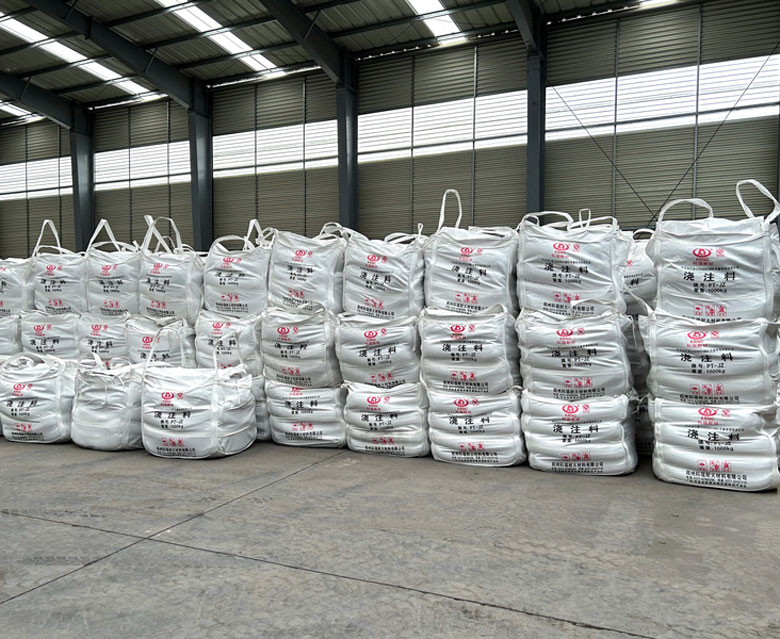
In the modern heavy industry landscape, thermal efficiency and equipment reliability are not just operational goals; they are the foundation of profitability. As we navigate the engineering demands of 2026, the transition from traditional, segmented furnace linings to advanced monolithic solutions is accelerating. At the forefront of this shift is castable refractory cement.
Whether you are designing a new steel ladle lining, upgrading a cement rotary kiln, or repairing a specialized petrochemical reactor, selecting the right refractory material dictates your maintenance cycles and energy consumption.
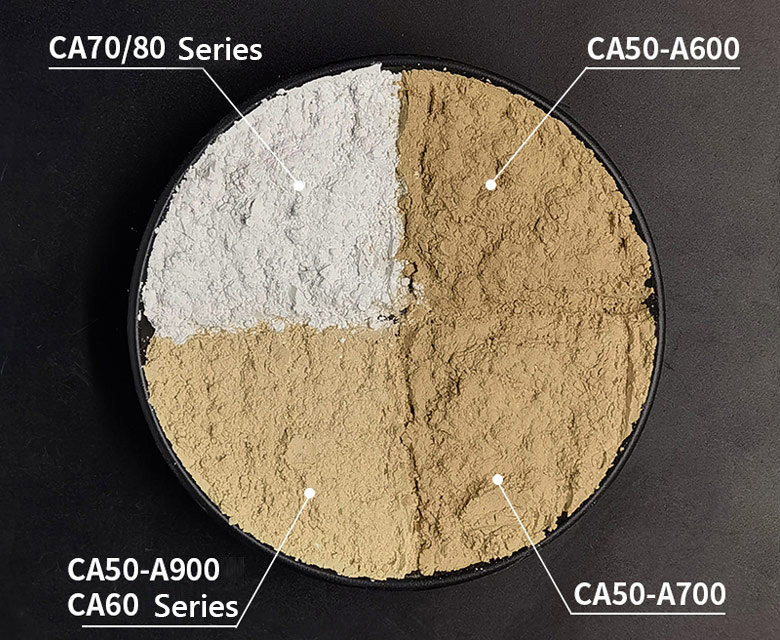
What is Castable Refractory Cement?
Castable refractory cement—often simply referred to as refractory castable—is an unshaped (monolithic) refractory material. Unlike traditional fire bricks that are pre-fired and shaped in a factory, castables are delivered as a dry, blended mixture.
When mixed with a specific ratio of water or chemical liquid binders on-site, the material achieves a concrete-like consistency. It can then be cast, poured, or pumped into formworks or directly applied to the target area. Once cured and subjected to a controlled baking process, the material transforms into a continuous, hardened, and highly heat-resistant monolithic lining capable of withstanding extreme thermal shock, chemical corrosion, and temperatures often exceeding 1700°C.
Core Components: What Supports High Strength?
The structural integrity and thermal resistance of castable refractory cement do not come from a single ingredient, but rather from a highly engineered synergy of four distinct components:
- Refractory Aggregates (The Skeleton): Making up 60% to 80% of the mixture, aggregates provide the primary structural framework and volume stability. Depending on the required temperature rating, high-quality aggregates include bauxite, fused corundum (Al₂O₃), mullite, or silicon carbide.
- Refractory Fines (The Matrix): These micro-powders fill the microscopic voids between the larger aggregate particles. By optimizing the particle size distribution, the fines drastically reduce the apparent porosity of the final lining, preventing the penetration of corrosive gases and molten slag.
- Binders: The most common binder is high-purity Calcium Aluminate Cement (CAC). The binder reacts with water to create an initial hydraulic bond, giving the castable its “green strength” (cold crushing strength) before it is fired. Upon heating, this hydraulic bond transitions into a permanent ceramic bond.
- Chemical Additives: Modern formulations include precise amounts of dispersants, accelerators, or retarders. These additives are crucial for reducing the water-to-cement ratio, improving the flowability during installation, and minimizing shrinkage during the drying phase.
Castable vs. Fire Bricks: Key Differences
While fire bricks have been the historical standard, castable refractory cement offers several distinct engineering advantages that solve chronic failure points in industrial kilns.
- Jointless Construction: The most significant flaw in a brick lining is the mortar joint. Joints are inherently vulnerable to thermal expansion, mechanical stress, and chemical infiltration by molten metal or slag. Castables create a 100% seamless lining, effectively eliminating these weak points and extending the overall lifespan of the furnace.
- Installation Speed and Labor: Laying fire bricks is a labor-intensive, time-consuming process that requires highly skilled masons. Pouring or pumping castable refractory cement covers large surface areas in a fraction of the time, drastically reducing plant downtime and labor costs.
- Complex Geometries: Furnaces often feature intricate designs, burner blocks, and irregular contours. While bricks must be custom-cut (which compromises their structural integrity), castables flow effortlessly into any mold, adapting perfectly to complex shapes and burner ports.
| Feature | Castable Refractory Cement | Traditional Fire Bricks |
| Structural Integrity | 100% Seamless / Monolithic | Segmented with mortar joints |
| Vulnerability to Slag | Excellent (No joints for penetration) | Moderate (Joints are weak points) |
| Installation Speed | Very Fast (Pumping / Casting) | Slow (Labor-intensive bricklaying) |
| Complex Geometries | Perfect (Flows into any mold/shape) | Poor (Requires cutting and custom shapes) |
| Thermal Shock Resistance | High (Especially LCC and fiber-reinforced) | Moderate (Prone to spalling at joints) |
| Initial Downtime | Requires strict curing and drying schedule | Faster (Pre-fired, ready to heat) |
Main Types of Refractory Castables
The term “castable refractory cement” covers a broad spectrum of engineered materials. At Kerui Refractory, we categorize our monolithics based on their primary aggregates and specific industrial applications. Here are the 8 main types of castables designed for various high-temperature environments:
1. High Alumina Castable
As a versatile workhorse for industrial furnaces, High Alumina Castables contain Al₂O₃ levels ranging from 65% to 78%.
- Performance: They offer high refractoriness (1700℃-1780℃), strong thermal shock resistance, and excellent compressive strength (25-40 MPa).
- Applications: Widely used in general industrial construction, high-temperature furnace linings, and for manufacturing refractory prefabricated parts.
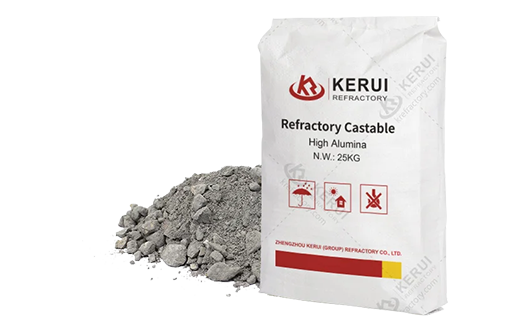
2. Mullite Castable
Mullite castables are engineered for environments where volume stability is critical. They are mainly composed of mullite (Al₂O₃ and SiO₂ components, typically ≥70-90%).
- Performance: With a high melting point (1910℃), they boast extremely low thermal expansion (linear change rate of ±0.6%) and can directly contact flames.
- Applications: Ideal for observation doors, steam boilers, cement kilns, and tubular heating furnaces in the petrochemical industry.
3. Low Cement Castable (LCC)
Low Cement Castables limit the cement content to less than 8%. By using ultra-fine powders, the density and strength are significantly improved compared to traditional castables.
- Performance: Characterized by ultra-high cold crushing strength (72-85 MPa) and superior resistance to both acidic and alkaline slag erosion.
- Applications: The go-to choice for severe wear zones, including steel ladles, rotary kiln hoods, and chemical reactors.
4. Corundum Castable
For extreme heat and heavy abrasion, Corundum Castables utilize high-purity fused white corundum and super alumina clinker, achieving an Al₂O₃ content of ≥85%.
- Performance: Unmatched maximum service temperature (1650℃ – 1700℃) and phenomenal cold compressive strength (80-100 MPa).
- Applications: Essential for electric arc furnace roof triangles, induction furnace nozzles, and vacuum degassing equipment in steel and non-ferrous smelting.
5. Silicon Carbide Castable
Engineered with SiC and Carbon (58-83%), these castables offer properties that traditional alumina cannot match.
- Performance: Silicon carbide provides a hardness second only to diamonds, delivering extraordinary abrasion resistance. It also features high thermal conductivity (8-11.5 kcal/mhºC) to dissipate heat efficiently.
- Applications: Perfect for steel tapping holes, waste incinerators, and fluidized bed furnaces where mechanical wear is severe.
6. Acid Resistant Castable
Designed specifically to combat chemical erosion, these castables are rich in acidic oxides (SiO₂ 45-52%) that neutralize corrosive attacks.
- Performance: While operating at lower peak temperatures (800℃ – 1000℃), they provide impenetrable defense against acidic gases and solutions.
- Applications: Indispensable for anti-erosion flues, chimney linings, acid storage tanks, and acid recovery furnaces.
7. Lightweight Castable (Insulating Castable)
Rather than facing the fire directly, Lightweight Castables act as the ultimate thermal barrier.
- Performance: Featuring a very low bulk density, they drastically reduce thermal conductivity and minimize heat loss through the furnace shell.
- Applications: Used as the crucial backup lining in glass kilns, ceramic kilns, and petrochemical heaters to maximize energy savings.
8. Plastic Castable (Plastic Refractories)
Plastic refractories are unique monolithic materials characterized by their strong plasticity (Plasticity Index: 12-35%), made by mixing aggregates with plastic clays and specific binders.
- Performance: They offer a low expansion rate (-1.5 to 0% permanent linear change) and excellent thermal shock resistance.
- Applications: Highly convenient for rapid patching, repairing burner blocks, and lining complex geometries where pouring is not feasible.
Key Advantages of Using Castables
For plant managers and maintenance directors, transitioning to monolithic linings offers several strategic advantages that directly impact the bottom line:
- Seamless Integrity: Without mortar joints, castables eliminate the primary pathways for gas leaks and slag penetration. This results in a highly stable structural framework that resists thermal and mechanical stresses far better than segmented brickwork.
- Superior Thermal Shock Resistance: Modern castables, particularly those reinforced with steel fibers or utilizing low-cement formulations, absorb the expansion and contraction of rapid temperature cycling without spalling.
- Cost-Efficient Maintenance: Instead of tearing down an entire brick wall, localized wear and tear can often be repaired by patching or “gunning” new castable material over the damaged area, significantly reducing repair costs.
Potential Disadvantages and Limitations
To maintain a balanced and professional engineering perspective, it is important to acknowledge the limitations of castable refractory cement:
- Strict Installation Variables: The performance of a castable is entirely dependent on the installation process. Incorrect water ratios, over-vibration, or improper mixing times can ruin the material’s physical properties.
- Extended Curing and Drying Times: Unlike fire bricks, which are pre-fired, monolithic linings must be cured and baked on-site. This requires a strict, time-consuming heating schedule before the kiln can be brought up to full operating capacity.
- Shelf Life: Unmixed refractory cement is highly susceptible to moisture. Even high-quality materials generally have a strict shelf life of 6 to 12 months and must be stored in dry, climate-controlled environments.
Top Industrial Fields and Applications
Castable refractory cement is highly adaptable, providing tailored solutions across the heavy industry spectrum:
- Steel and Iron: Used extensively in the lining of ladles, tundishes, and blast furnace troughs. Low Cement Castables (LCC) are preferred here due to their exceptional resistance to molten iron and basic slags.
- Cement and Lime Production: Applied in rotary kiln hoods, preheaters, and cooler sections. High-alumina and silicon carbide-based castables provide the necessary defense against severe mechanical abrasion from clinker dust.
- Power Generation and Incineration: Circulating Fluidized Bed (CFB) boilers and waste-to-energy incinerators require linings that can handle high-velocity particle erosion and complex chemical attacks.
- Petrochemical Industry: Insulating and lightweight castables are heavily utilized in the backup linings of catalytic crackers and process heaters to maximize thermal efficiency.
Drying and Curing: Preventing Cracks
The most critical phase of any castable refractory installation is the “dry-out” or baking process. More than 50% of premature lining failures occur during this stage.
When water is added to the dry mix, hydration occurs. If a newly cast lining is heated too rapidly, the trapped moisture aggressively turns into steam. Because high-density castables (like LCCs) have very low porosity, the steam cannot escape fast enough. The internal pressure builds until it exceeds the tensile strength of the cement, resulting in explosive spalling—literally blowing chunks of the lining off the wall.
The Solution: Engineers must implement a highly controlled Baking Curve (Heating Schedule). This involves raising the temperature incrementally, with specific “holding periods” at critical temperatures (typically around 150°C to 300°C, and again at 500°C) to allow free water and chemically bound water to vent safely.
| Heating Stage | Temperature Range (°C) | Heating Rate | Holding Time | Primary Purpose |
| Stage 1: Ambient to Venting | 20°C to 150°C | 15°C – 20°C / hour | 12 – 24 hours | Release of free (mechanical) water. |
| Stage 2: Critical Holding | 150°C to 350°C | 15°C – 25°C / hour | 12 – 24 hours | Evaporation of chemically bound water. High risk of spalling. |
| Stage 3: Intermediate | 350°C to 600°C | 25°C – 30°C / hour | 8 – 12 hours | Complete dehydration of calcium aluminate binders. |
| Stage 4: Ramp to Operating | 600°C to Target Temp | 40°C – 50°C / hour | As required | Formation of the permanent ceramic bond. |
How to Choose the Right Grade for Your Kiln
Selecting the correct monolithic refractory is a precise engineering calculation. Consider the following three pillars:
- Maximum Operating Temperature: Do not over-specify. If your furnace peaks at 1200°C, investing in a 1700°C-rated corundum castable is an unnecessary capital expense. Match the Al₂O₃ content to your actual thermal ceiling.
- Chemical Environment: Identify your slag. Is it acidic or basic? High-alumina castables generally handle neutral to acidic environments well, while magnesia-based castables are required for highly basic conditions.
- Mechanical Wear: If your lining faces heavy impact from raw material charging or severe abrasion from high-speed particulate gases, prioritize High-Strength or Steel Fiber Reinforced castables over standard grades.
Technical FAQ: Answers for Engineers
Q1: Can I add more water to make the castable easier to pour?
A: Absolutely not. The water-to-cement ratio is strictly engineered. Adding even 1% more water than the technical data sheet specifies can increase porosity and reduce the final cold crushing strength by up to 10-15%. Always use a mechanical mixer and follow the exact manufacturer guidelines.
Q2: How do I know if my castable cement has gone bad in storage?
A: If the dry bags feel hard, clumpy, or “lumpy” rather than like a free-flowing powder, the calcium aluminate binder has likely reacted with ambient humidity. Using hydrated material will result in a lining with little to no structural integrity.
Q3: Can I mix castable refractory cement with standard Portland cement?
A: No. Portland cement cannot withstand industrial temperatures. Mixing the two will completely destroy the refractory properties and cause the lining to crumble and melt during operation.
Optimize Your Furnace Performance with Kerui
The longevity of your thermal equipment relies on precision engineering—from material selection to installation. Our technical team provides high-performance castable solutions engineered for the most demanding environments, backed by rigorous ISO-certified quality control.
Contact our refractory specialists today to request detailed Technical Data Sheets (TDS), customized heating curves, or a comprehensive lining evaluation for your next maintenance shutdown.
 Whatsapp
 WeChat